
Natural Stone: From Mountainside to Tile and Slabs
Have you ever questioned where natural stone tile comes from?
Opustone is commonly asked about the benefits of one stone over another, proper maintenance, and where we sourced the slabs from. But have you ever wondered about their origins? Let's take a deep dive into the the history of some of these amazing natural stone offerings.
THE FIRST QUARRIES
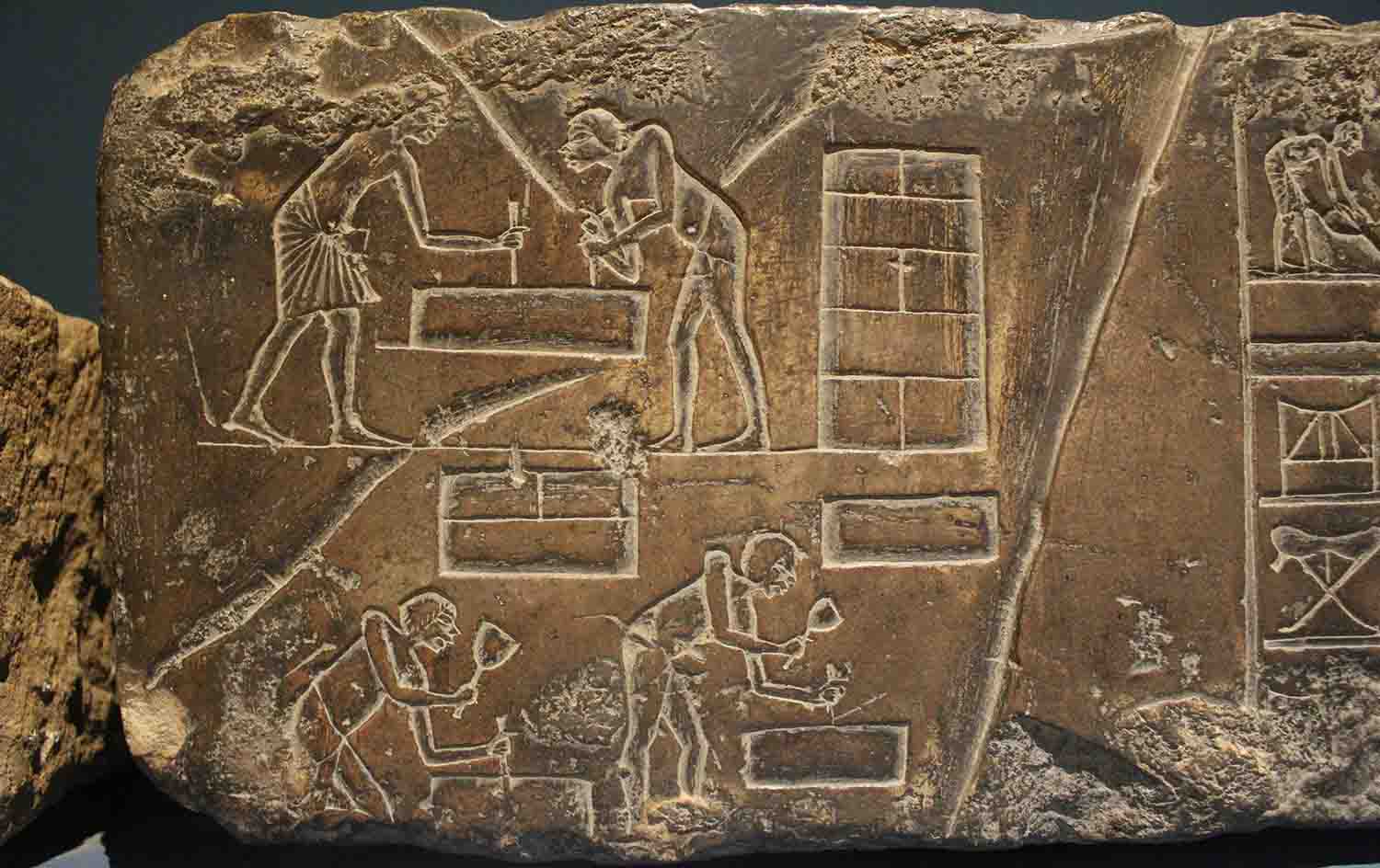
When the first use of stones in building shelters and structures can't be traced, the first quarries are believed to have originated in the Aswan area of Egypt. Back then, quarries were mined with simple tools like hammers, picks, and chisels made of stone, bronze, or iron. From these early quarries, man was able to extract high quantities of natural stone to be used to make incredible lasting impressions for years to come. Now that summer is in full effect, there is no better time to escape the every day and explore the world's stone monuments that have inspired humans for thousands of years.



MARBLE STONE
Marble is a beautiful and resilient material as it is classic. The stone's ethereal white glow has captivated peoples gaze in ancient theatres in sculpture and in palatial settings worldwide.
Marble stone has been used structurally in landmarks like the Pantheon in Greece to the Taj Mahal in India. It's also been highly used in art and interior decor like in the hall of mirrors found in Versalles in France and in the form of tiles all over the world.
GRANITE STONE
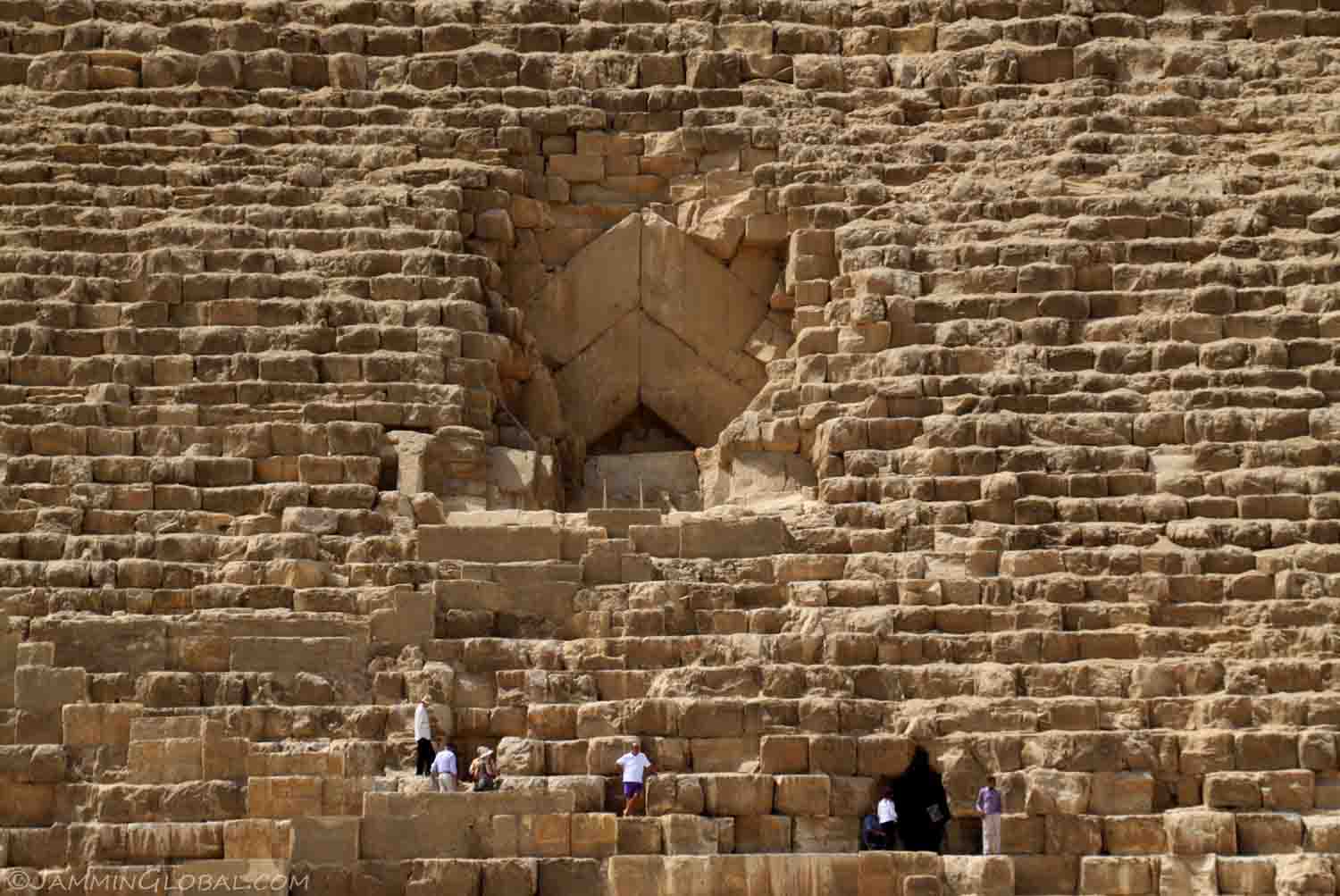
The mining of granite is regarded as one of the oldest industries in the world, existing as far back as Ancient Egypt and the great pyramids.
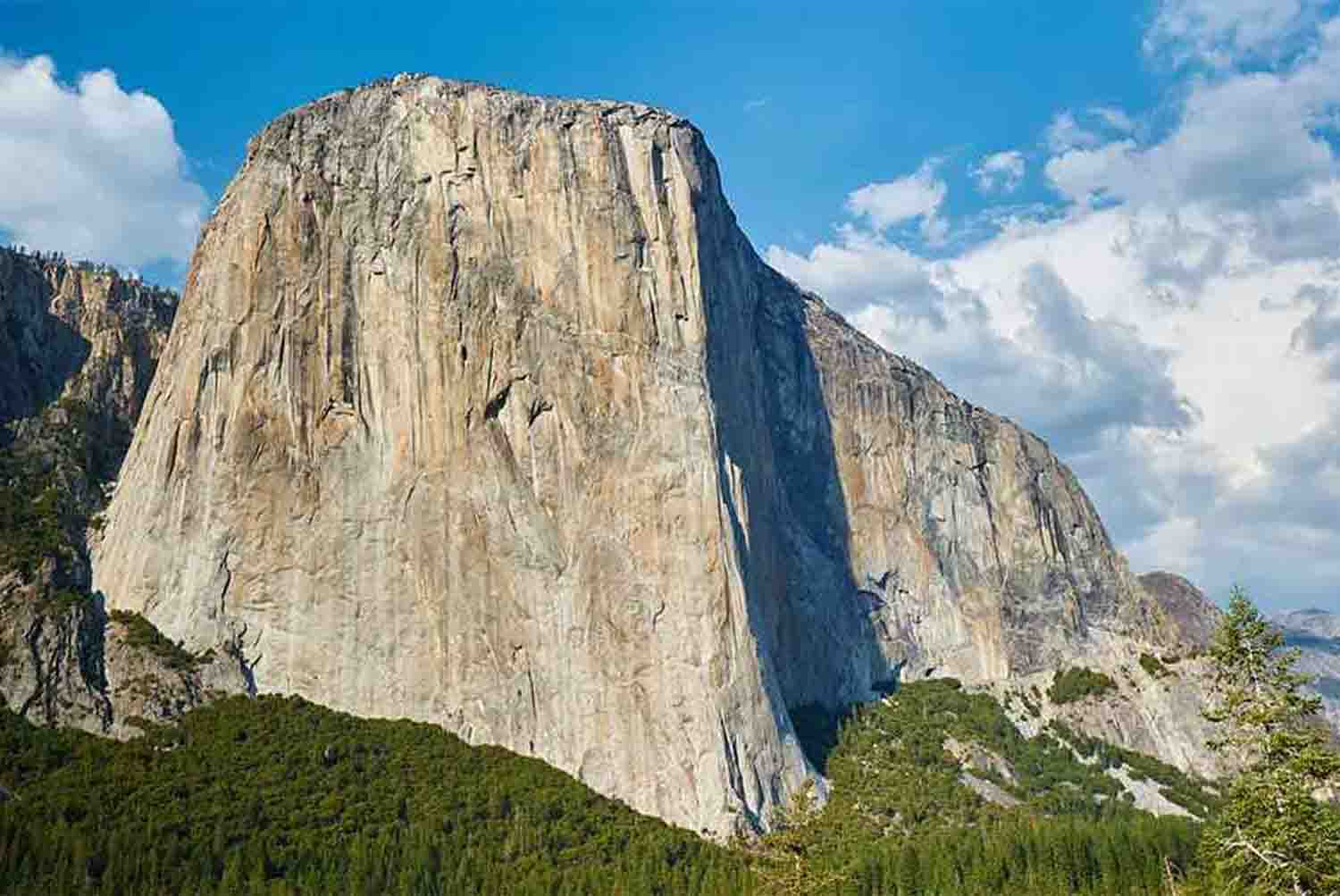
Here in the U.S. millions have enjoyed granite in its natural form with the iconic Half Dome and El Cap cliffs that tower over the Yosemite valley.

SOAPSTONE STONE
An often forgotten natural stone is Soapstone. This material has incredible heat properties that make it great for kitchen counters.
Soapstone is enjoyed by millions of spectators every year through the 98-foot-tall Christ the Redeemer Statue overlooking Rio de Janeiro.
QUARTZITE STONE
Quartzite, not to be confused with quartz, is a metamorphic rock naturally formed from sandstone after undergoing years of hear and pressure. Quartzite comes in an array of colors which has dazzled artists for centuries.
Some of the largest and most well-known Egyptian statues and busts are carved from quartzite.


Whether you find yourself tanning in Rio, exploring pyramids on camelback, or rock climbing in Yosemite this summer, Opustone invites you to appreciate the natural stone beauty that's around you.