
Modern Romanticism: Rococo Design With Natural Stone
Natural stone slabs are an idealized picture of nature, embracing organic beauty and polishing it to perfection. This same concept lies at the heart of classic romantic design, reaching its fullest expression in Rococo, the movement that established the blueprint for timeless romantic spaces.
How Rococo Materialized Romance
Rococo emerged in 18th-century France as a late Baroque movement that spread throughout much of Europe. Deviating from the sculptural grandeur of earlier Baroque styles, Rococo was characterized by soft, organic curves and structurally simple surfaces drenched in floral accents. It was romance materialized—an escape into a perfected natural world.
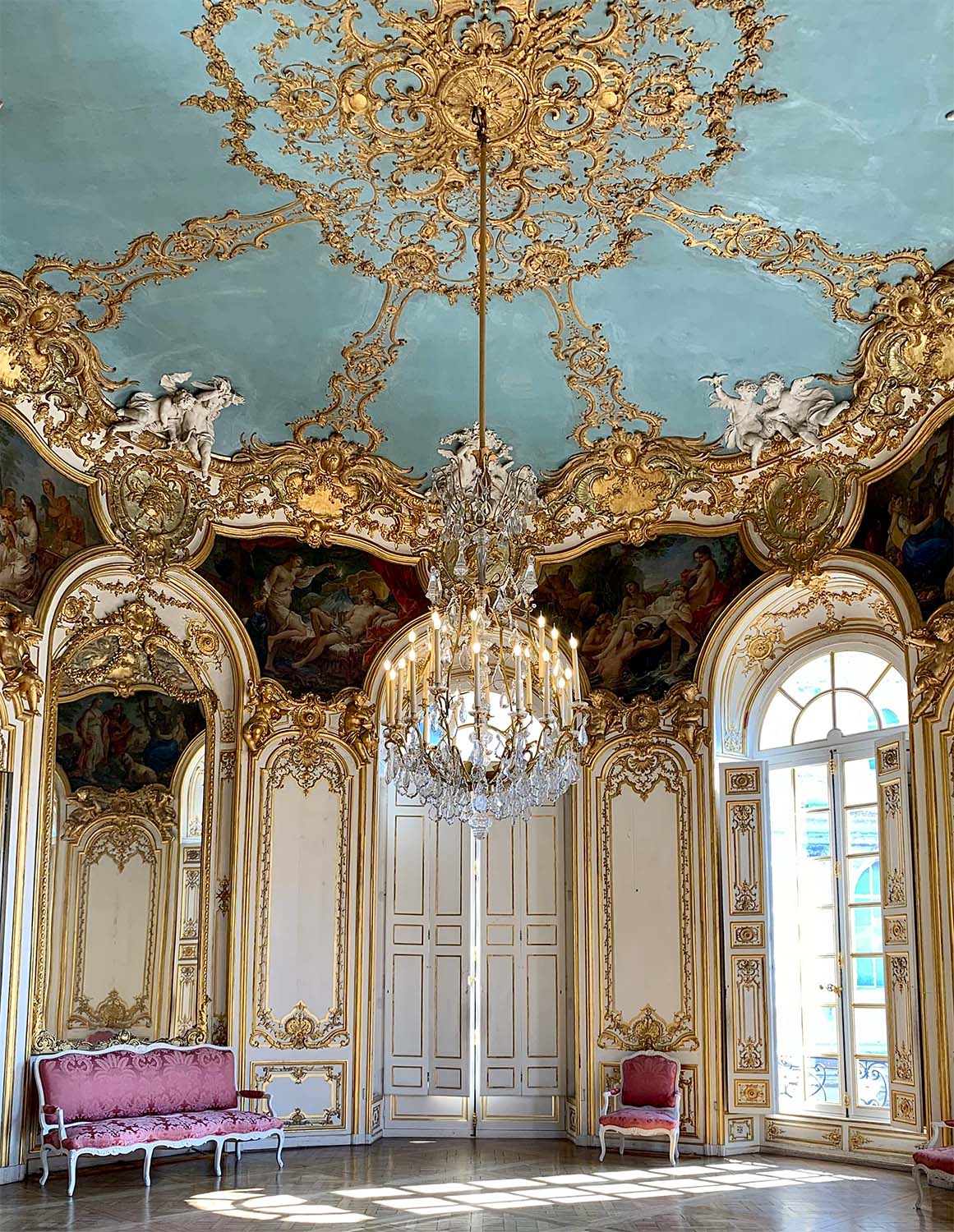
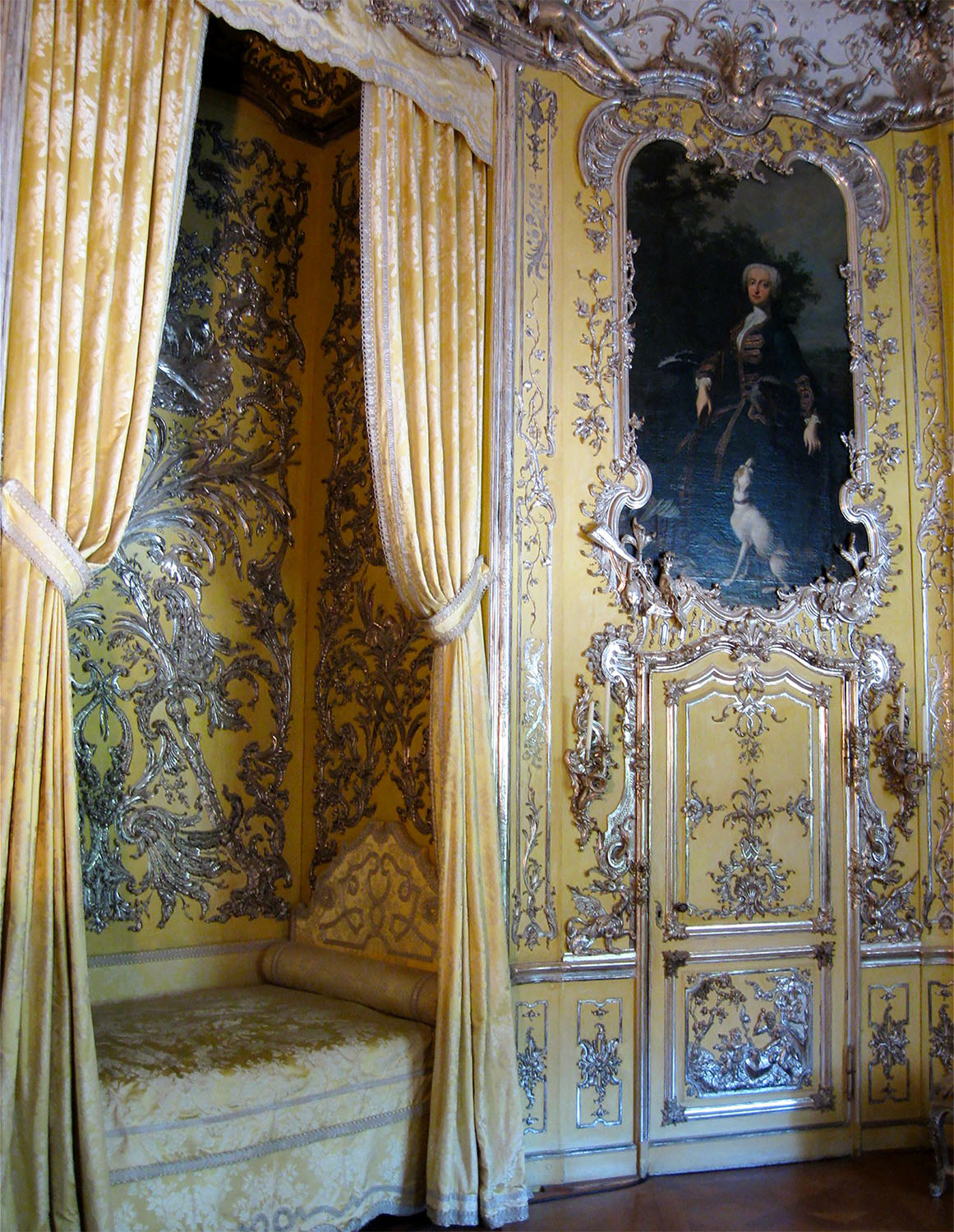
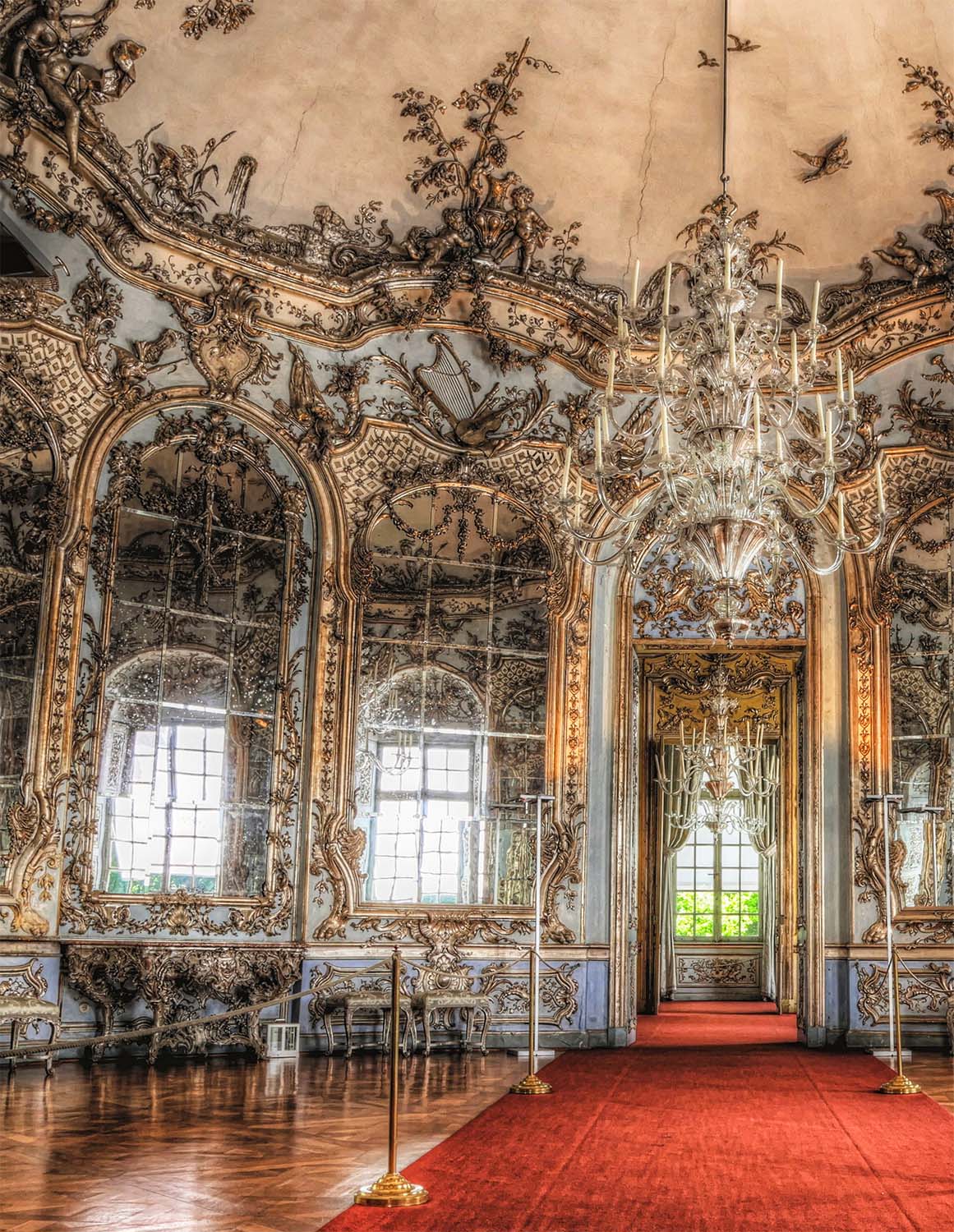
Natural Stone’s Role in Modern Romantic Spaces
While contemporary interiors favor simplicity, today’s renewed interest in decorative natural stone slab applications echoes Rococo's idealization of nature. This makes natural stone a powerful element in defining a modern romantic space when its palette, material type, and complementary décor are chosen with intention.
Choosing the Right Palette
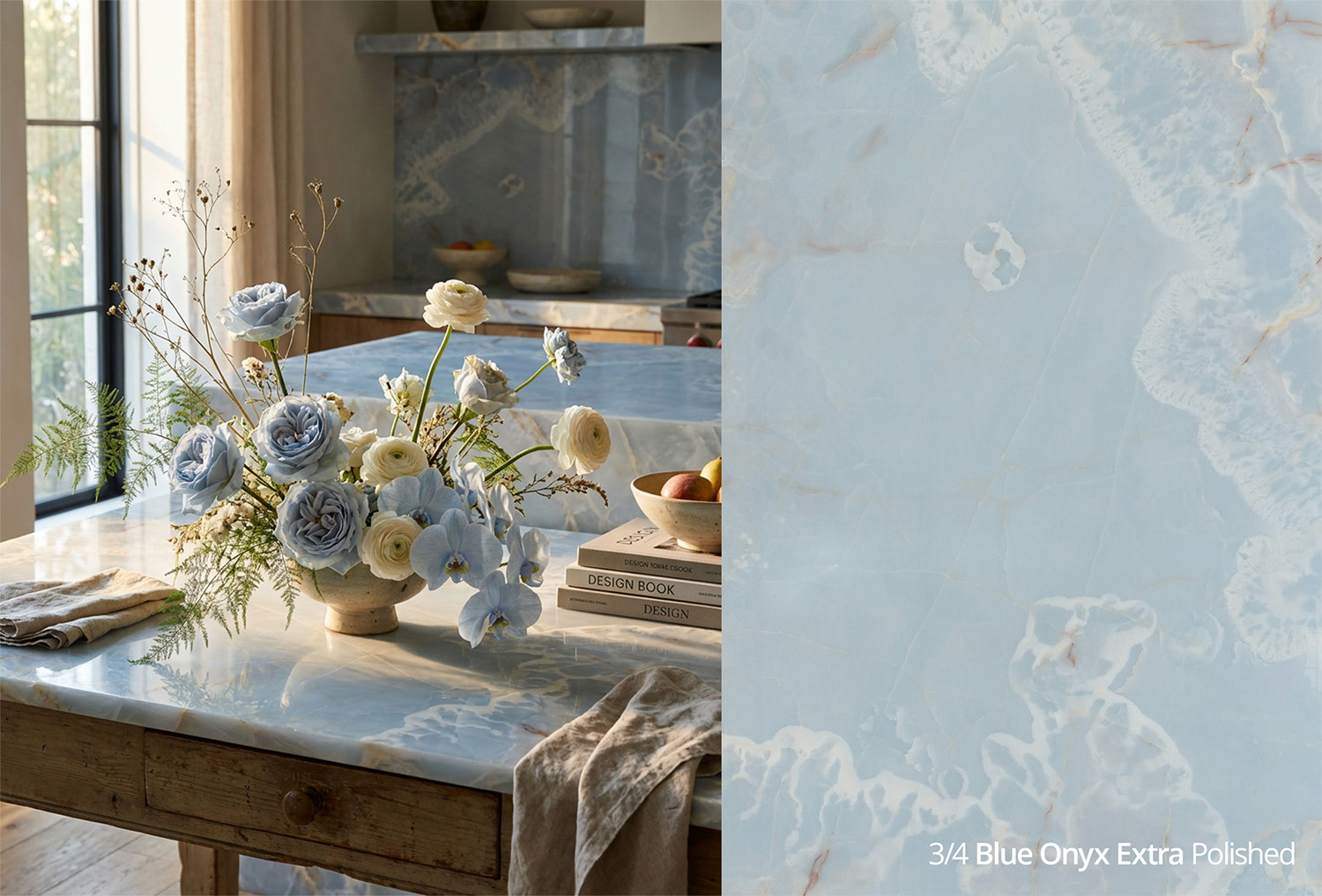
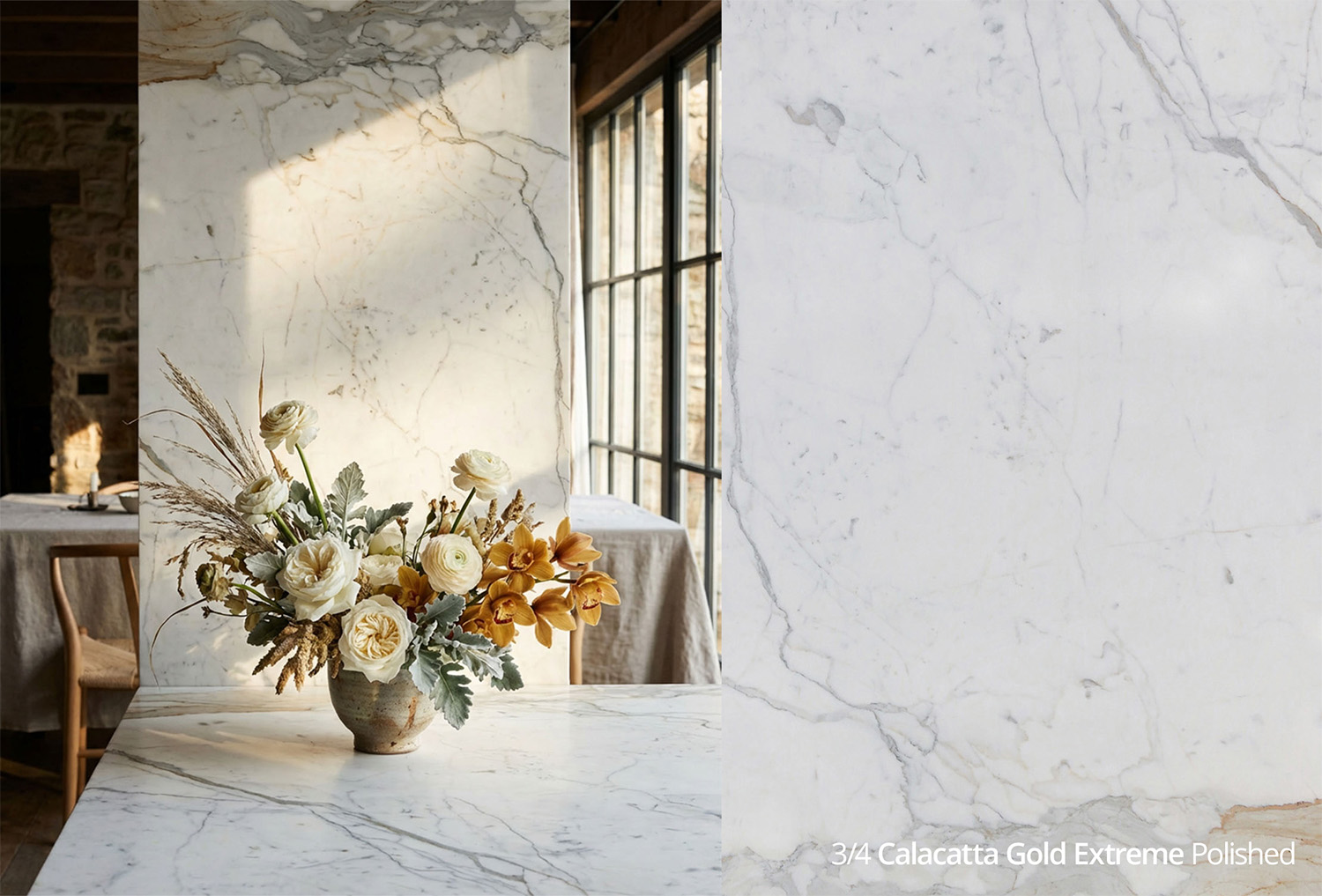
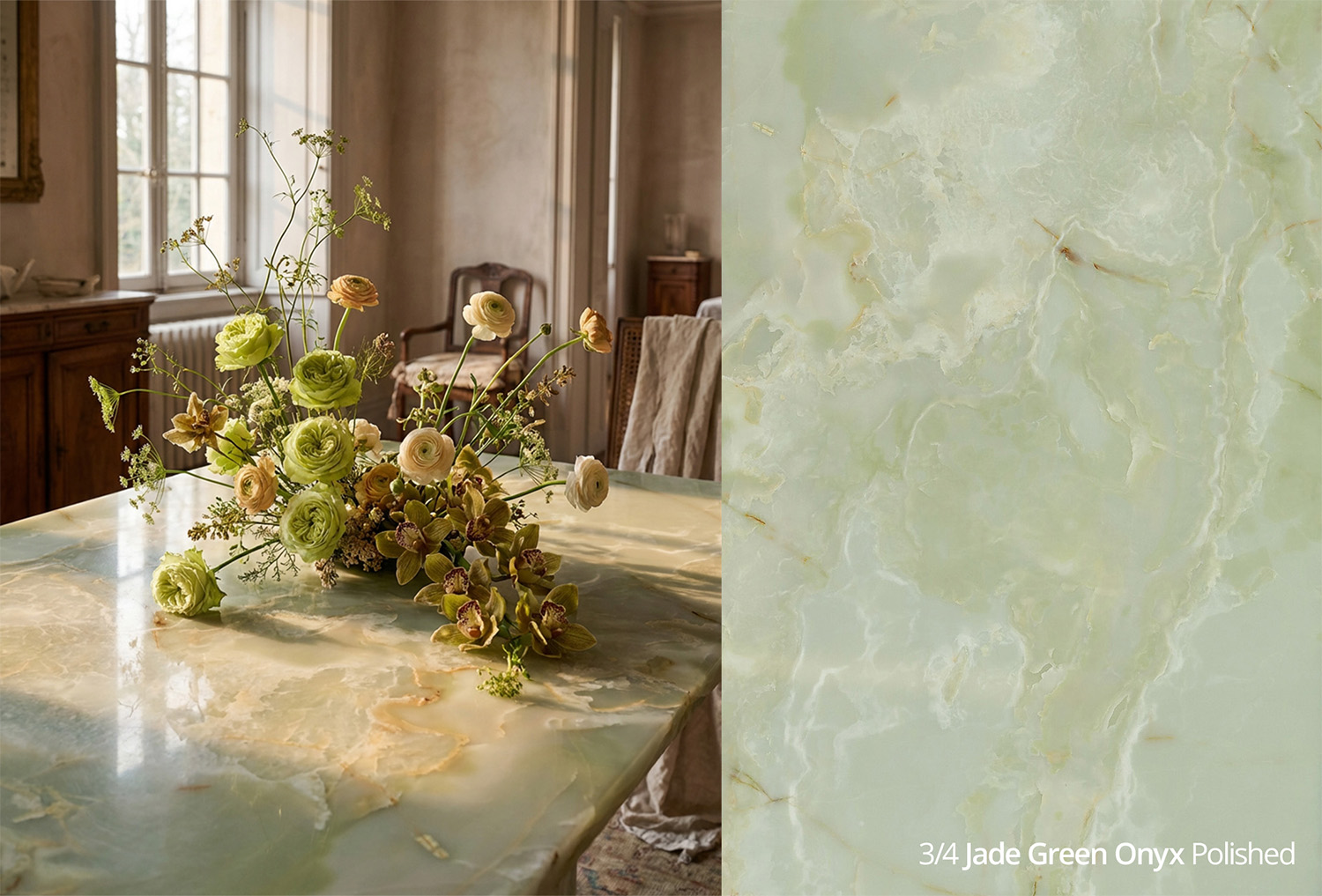
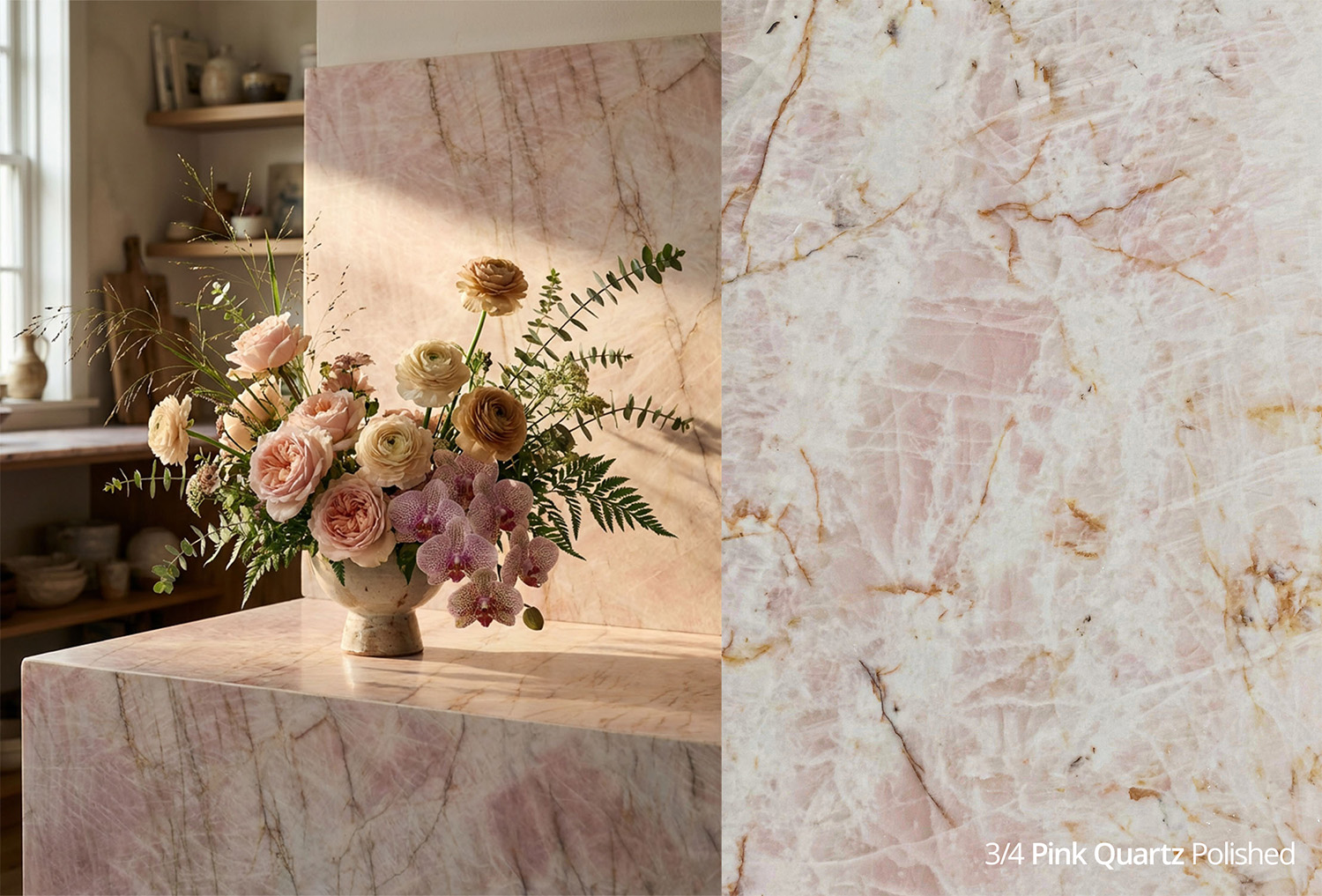
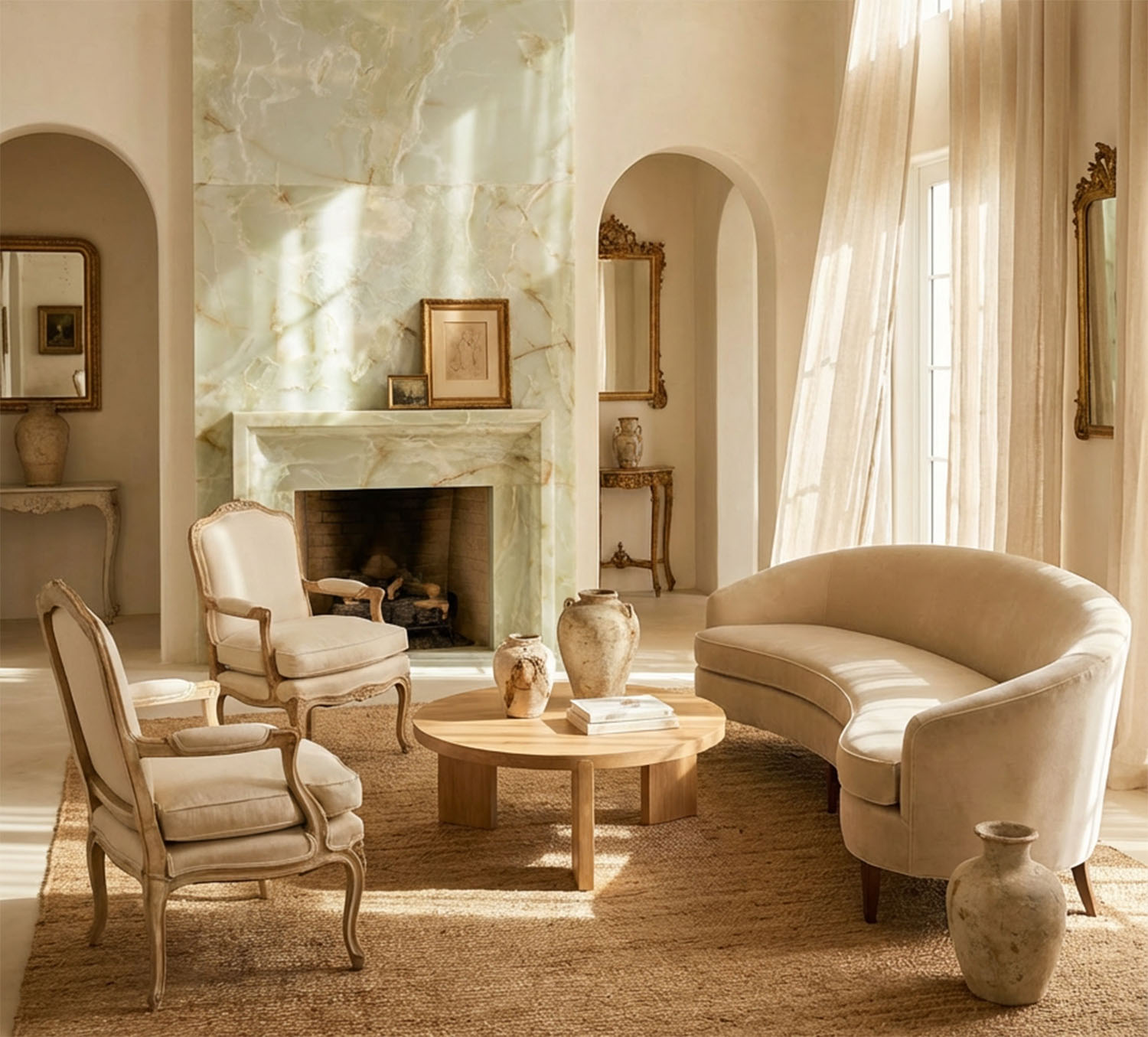
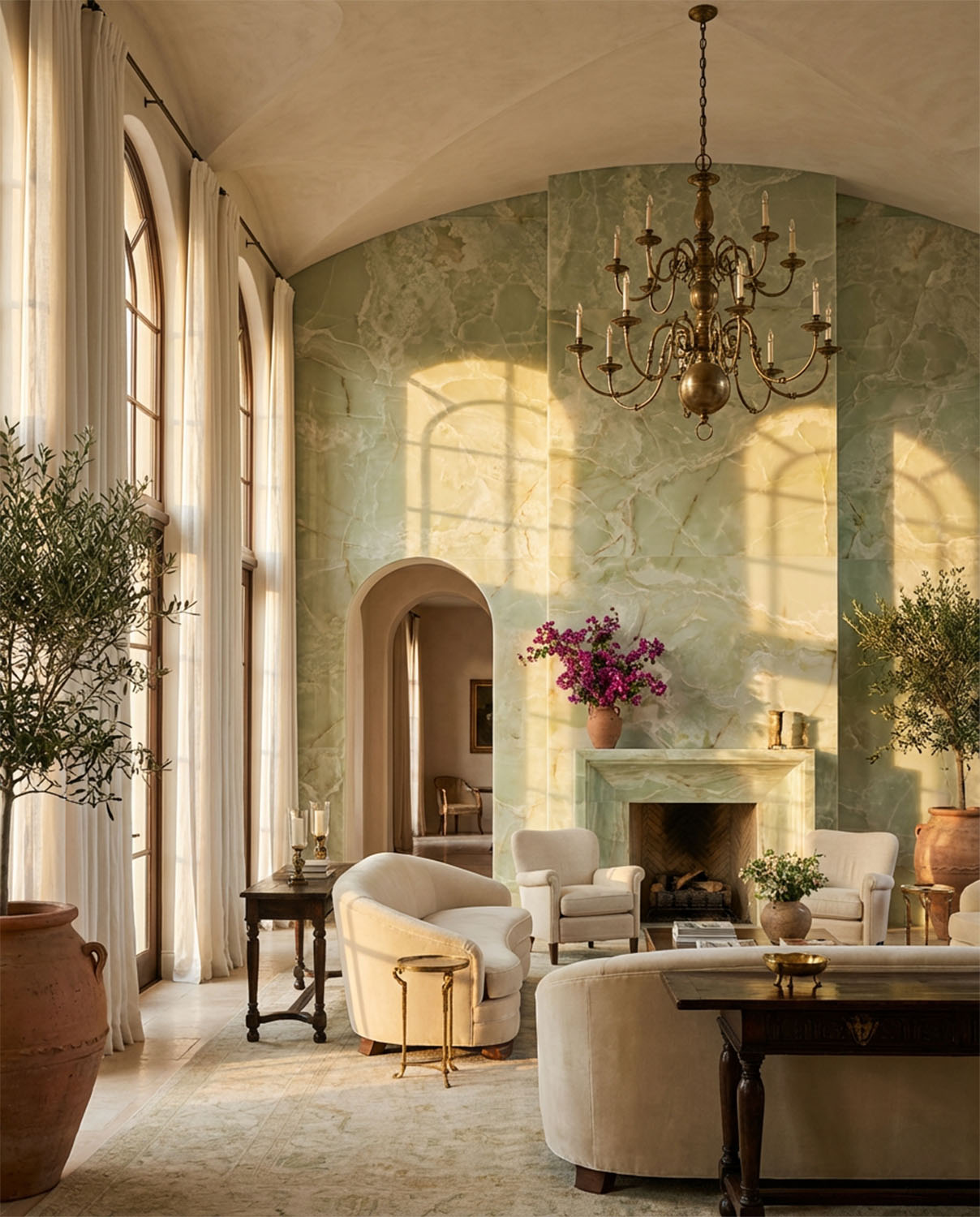
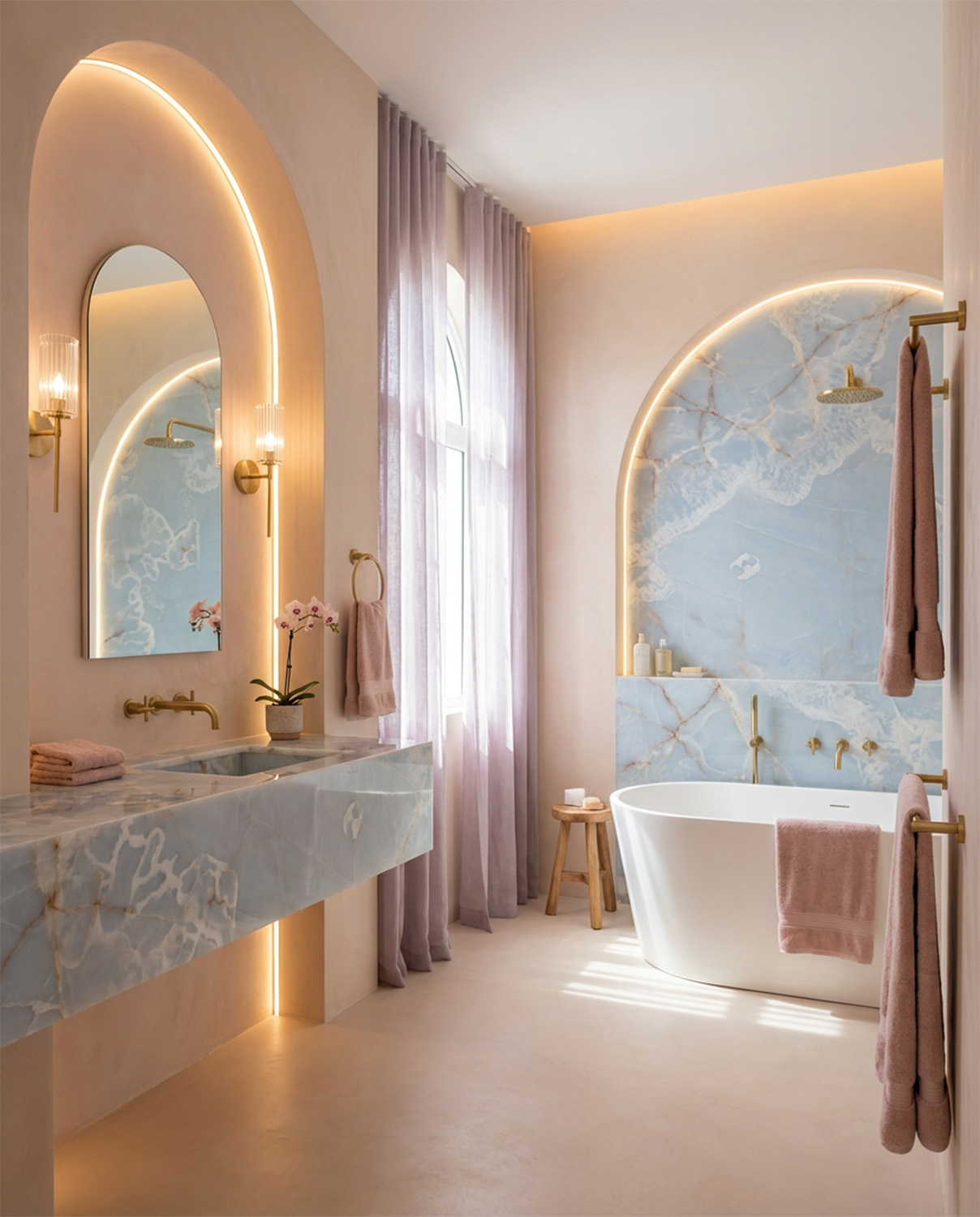
Palette is the fundamental tone setter. Drawing from Rococo sensibilities, think clear skies over a field in bloom: light blues, elegant whites, soft greens, and pastel pinks. Soft, natural tones create an airy atmosphere that reconnects interiors with nature through a distinctly romantic lens.
Material Choice Matters
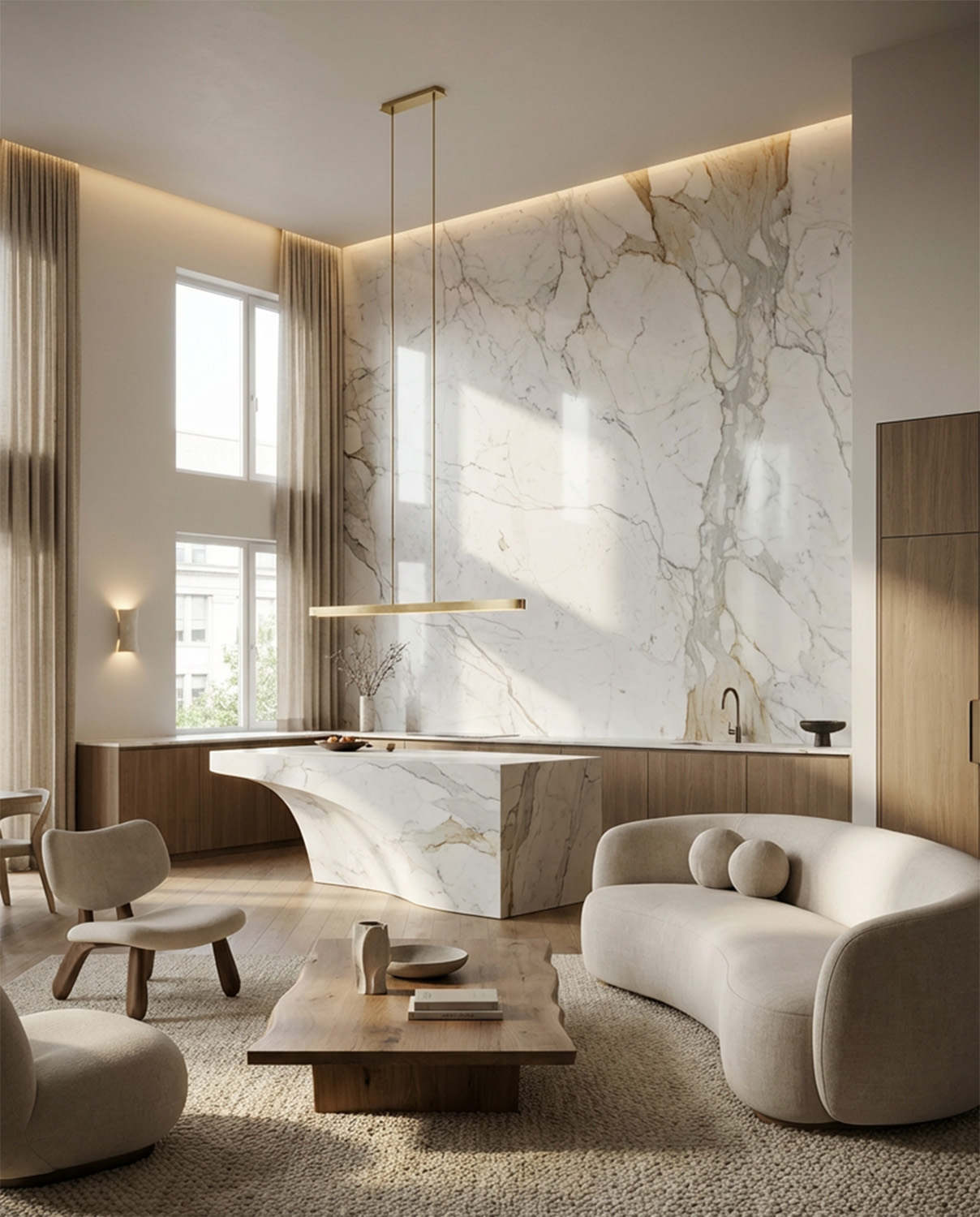
Material selection is equally important; every material evokes its own tone. We can reinterpret Rococo’s signature floral adornments through the organic movement and veining of natural stone—a modern form of naturalistic surface embellishment. Subtle, low-contrast veining in marble and onyx whispers of romance, while gold-accented patterns recall classical opulence. For a more ethereal effect, consider quartzite for its complex crystalline luminosity.
Framing Your Stone
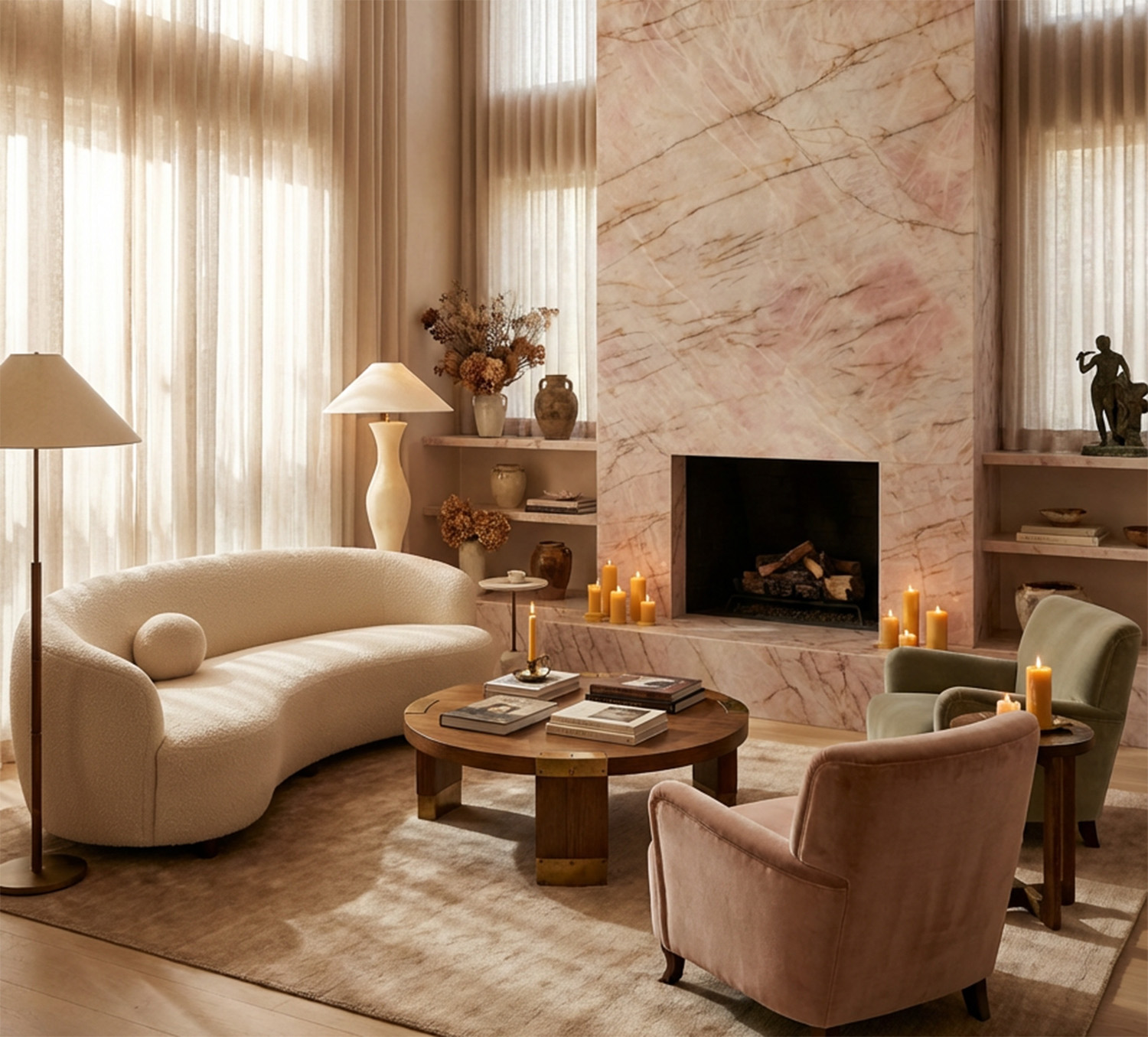
How you frame your material sways its story. Avoid bold, assertive pieces. Instead, lean into plush textures and curved shapes, recalling Rococo’s fondness for organic forms.
Design language extends beyond furnishings into the stone application itself. An arched wall feature or a sculptural island are subtle details that transform stone into a contemporary expression of classic architecture, evoking an inherited elegance that compliments romantic aesthetics.
Ready to explore romantic design?
Visit your nearest Opustone showroom to experience the natural beauty of our slabs in person. You might find a stone worth falling in love with.