
Kitchens and bathrooms have a lot in common. They are the two most commonly renovated rooms in a home, and both feature countertops front and center. They also share one design challenge: moisture.
Water is a constant around sinks, and that limits what kind of surface works for these countertops. Kitchen counters also take real wear from spills, hot pans, and knives. Porous, non-durable surfaces like wood or laminate are poor choices here. So what makes the best countertop?
The short answer is stone. Durable and beautiful, natural stone is a design element in its own right, and premium slabs can even add to a home's value. There are many types of stone countertops to choose from. Below, we compare the best stone for kitchen countertops, starting with the top types of natural stone countertops and finishing with today's engineered surfaces.
1. Granite
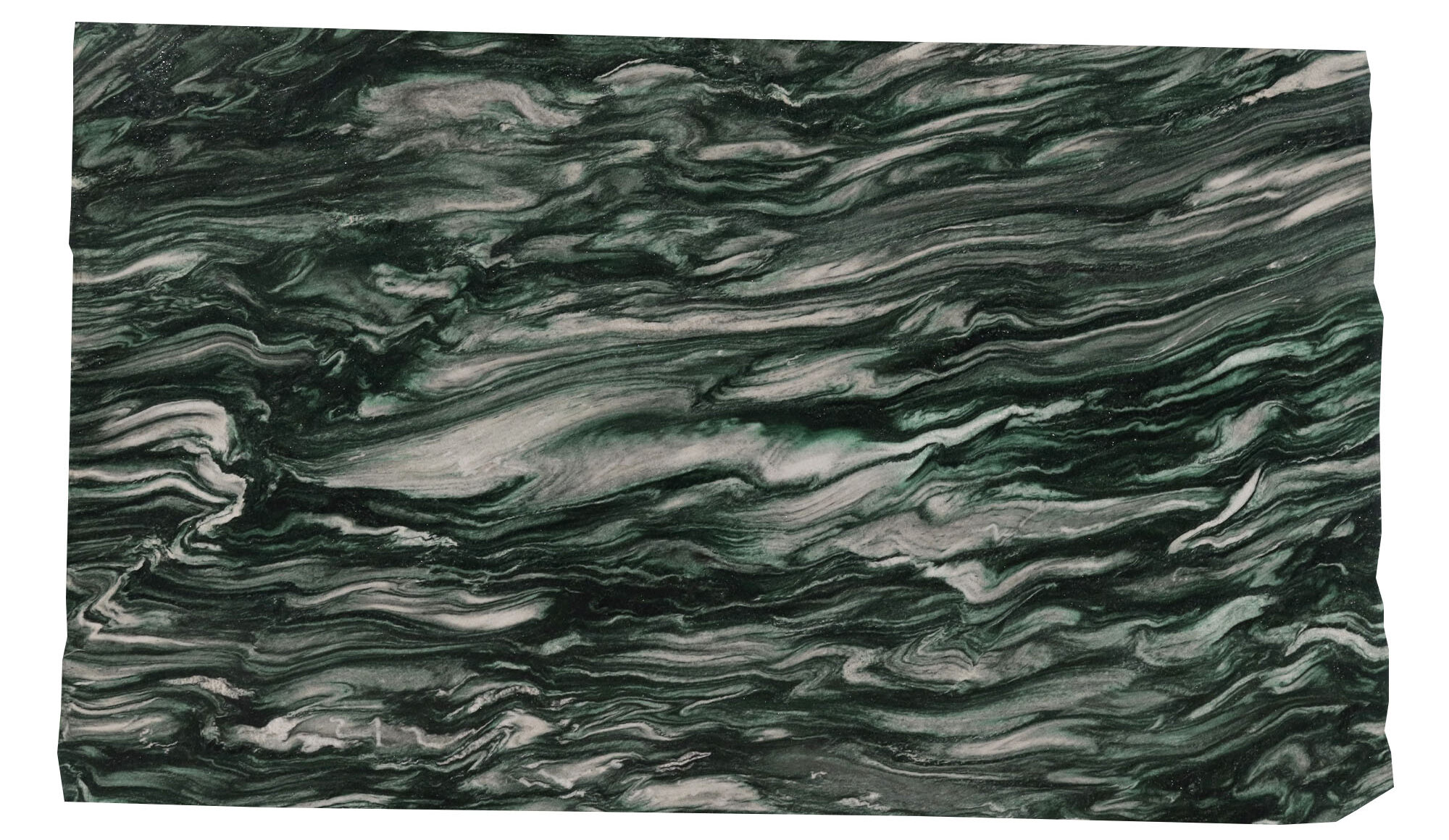
Those familiar with interior design will not be surprised to find granite listed first. Granite has long been the premier choice of designers and builders, thanks to its beauty and its durability. Put simply, there is no better natural stone option for a countertop.
Once found almost exclusively in high-end homes, granite is now a countertop mainstay. Engineered quartz may be the default choice in many of today's kitchens, but among natural stones, granite remains a premium benchmark for beauty and durability. Wider supply and more alternatives have moderated its price over the years, yet its premium reputation holds. Granite virtually defines elegance, and it can elevate a design with its presence on an island or a run of counters.
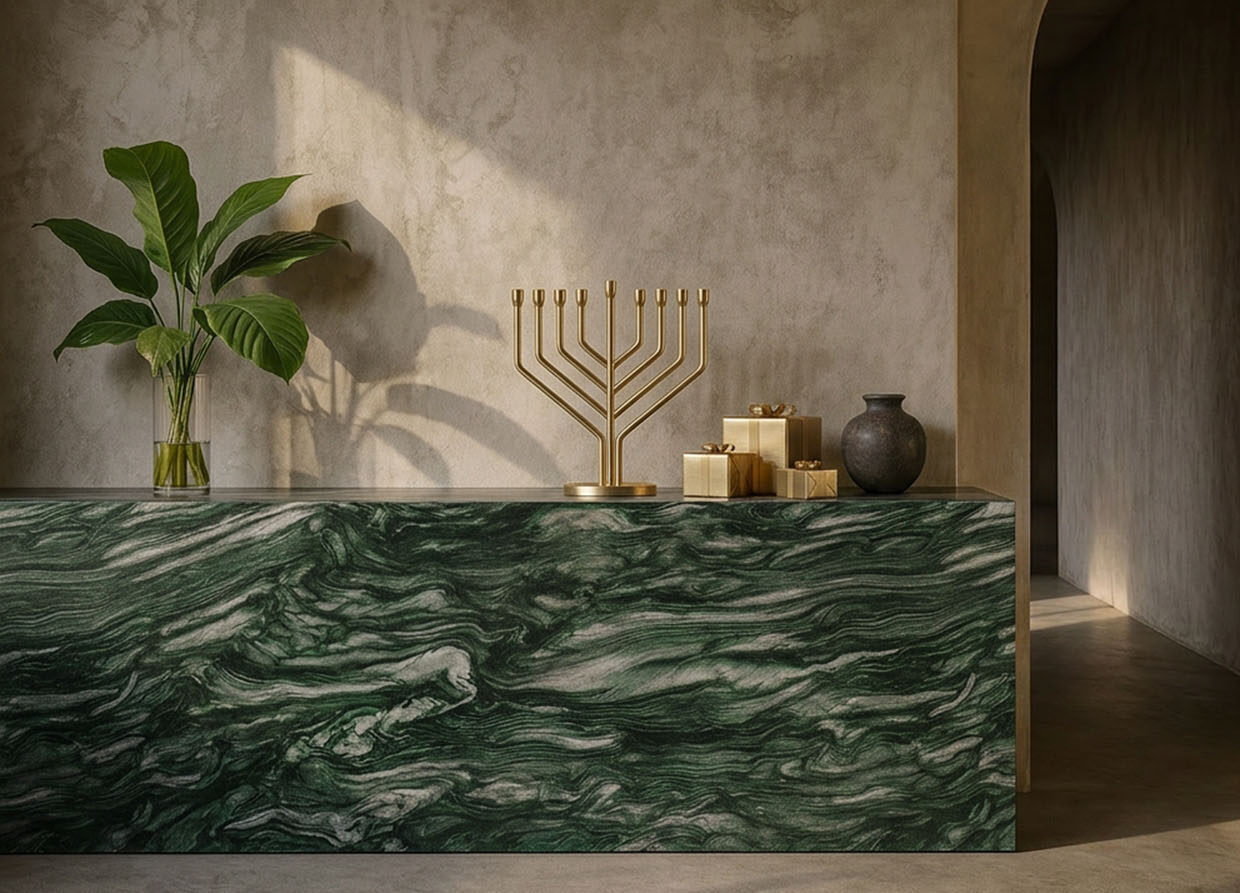
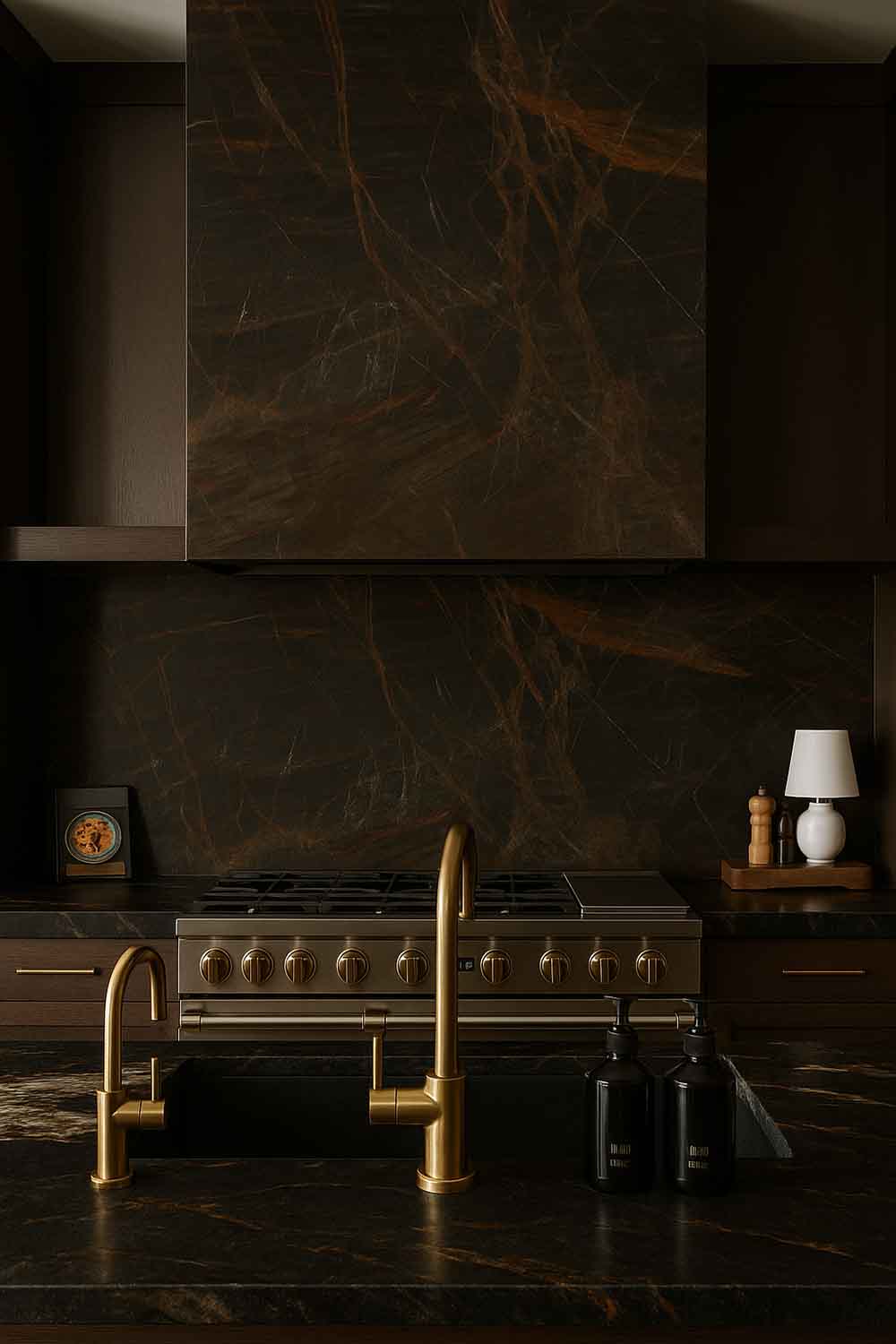
Granite is an igneous rock formed deep in the Earth's crust, where extreme pressure and temperatures above 2,300 degrees Fahrenheit fuse small particles of quartz and feldspar together. This gives granite its signature speckled appearance, which helps conceal seams, along with its remarkable hardness and superior heat resistance.
Caring for granite
Before use as a countertop, granite slabs should be treated with sealant. This closes up any small crevices or pores, makes the surface safe for food preparation, and prevents staining. Granite countertops should be resealed regularly, preferably once a year.
Price: $ to $$ (budget-friendly to mid-range)
2. Quartzite
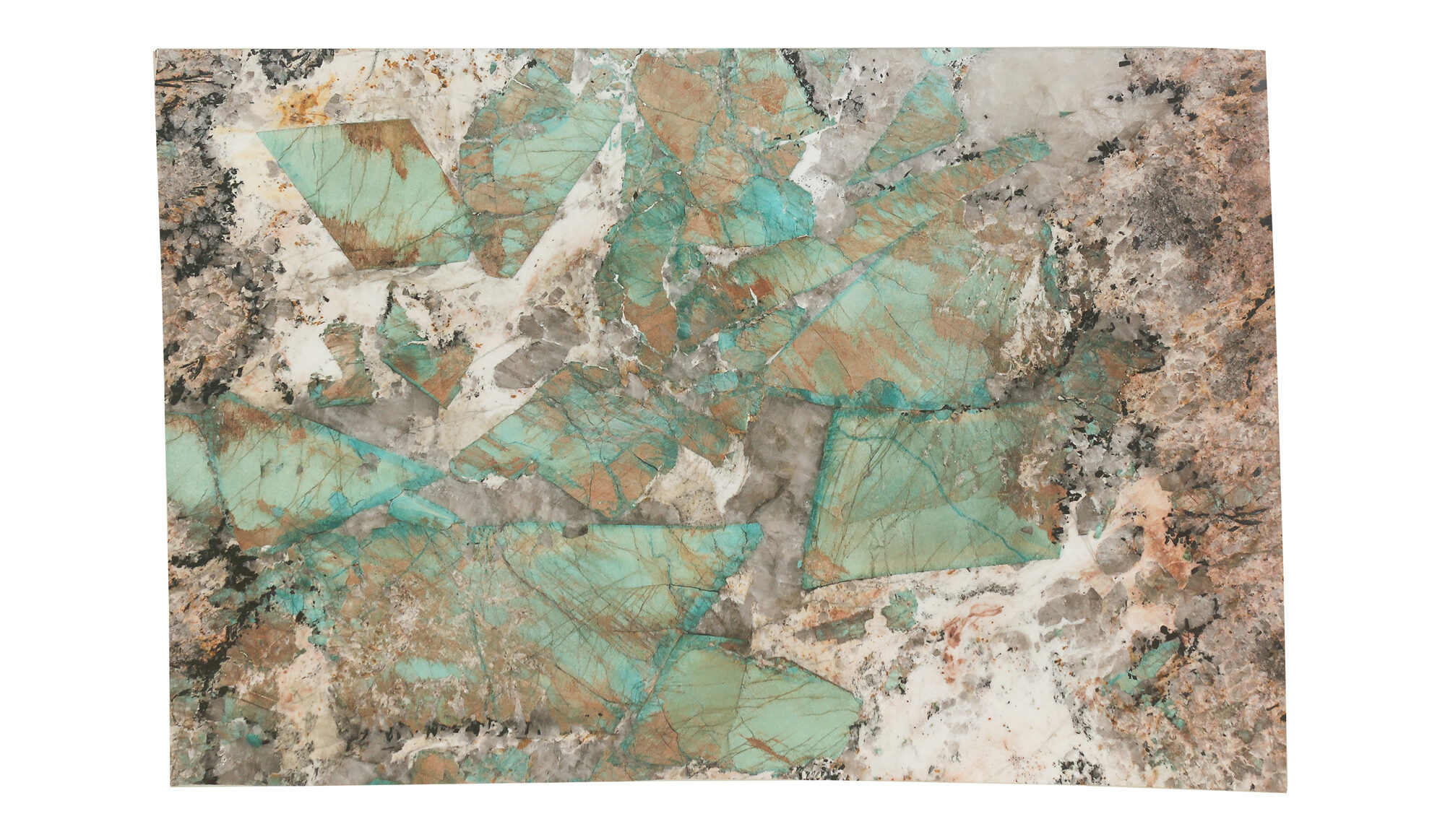
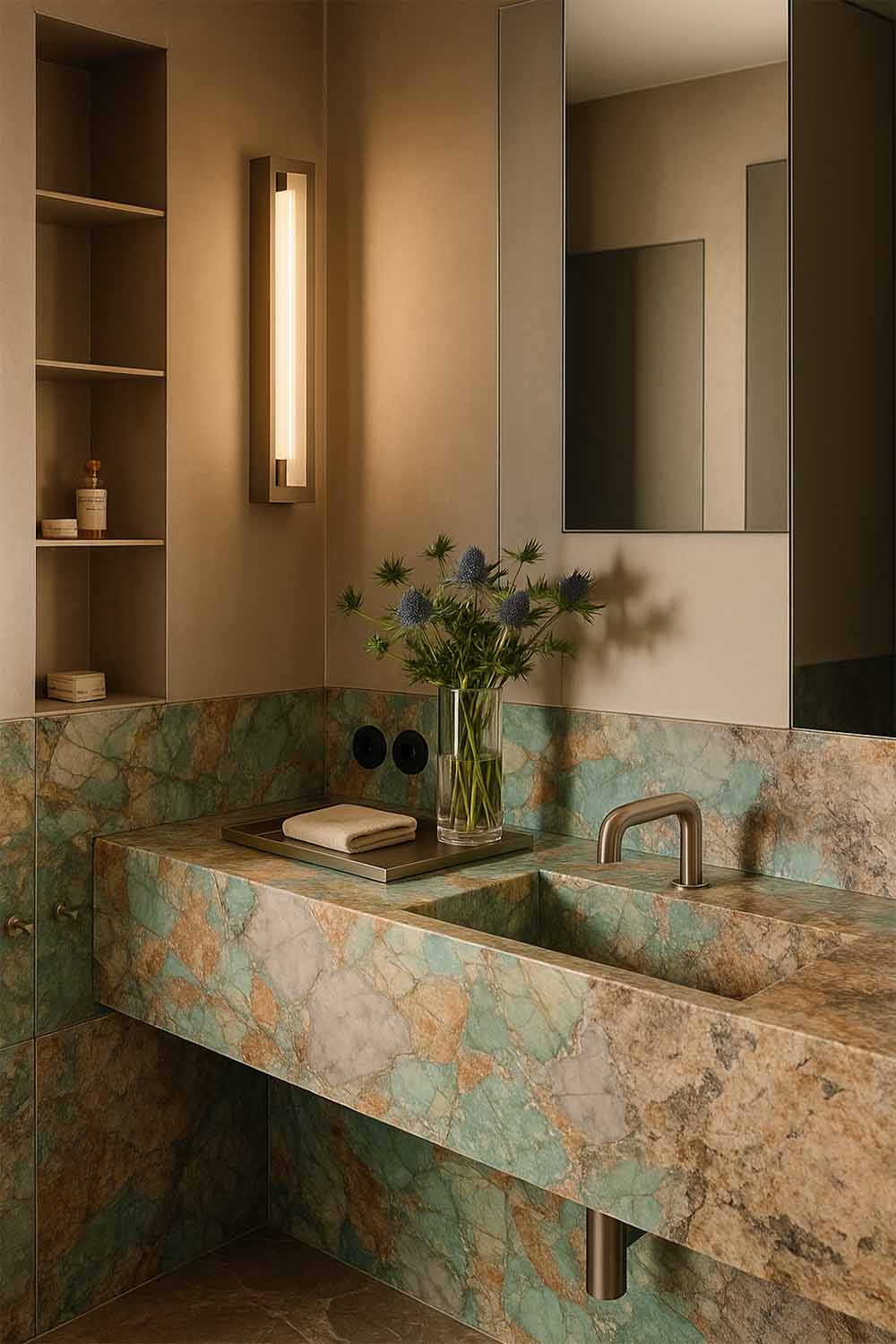
Like granite, quartzite is a naturally occurring stone that brings both beauty and substantial durability to countertops. Once a specialty request, it is now firmly established as a premium natural stone. It still tends to cost a little more than granite.
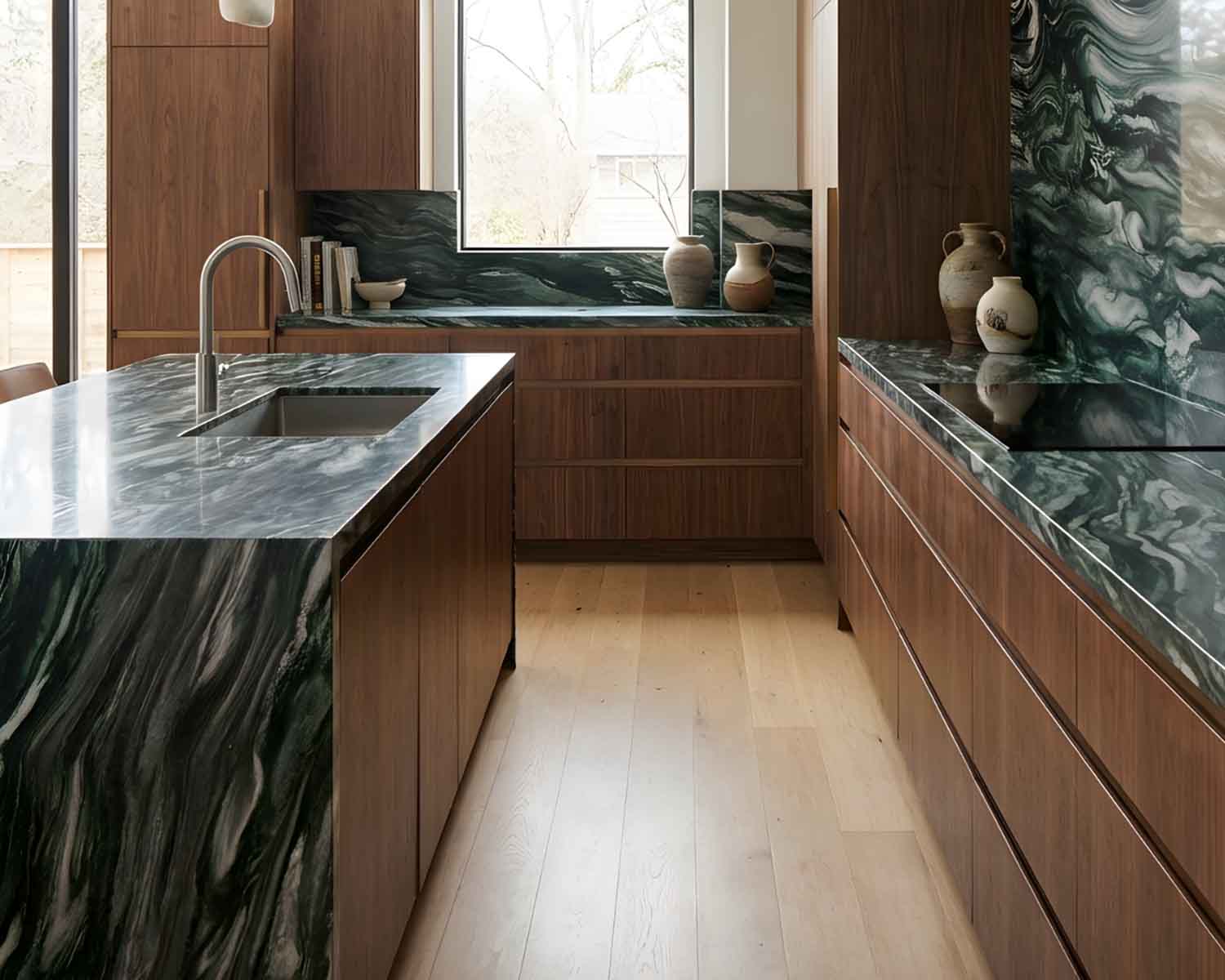
As a natural stone option, quartzite has one significant advantage over granite. Its greater density makes it more resistant to chipping, staining, and scratches. The fact that it can resemble marble makes that advantage even more appealing, since many still consider marble the most luxurious countertop look.
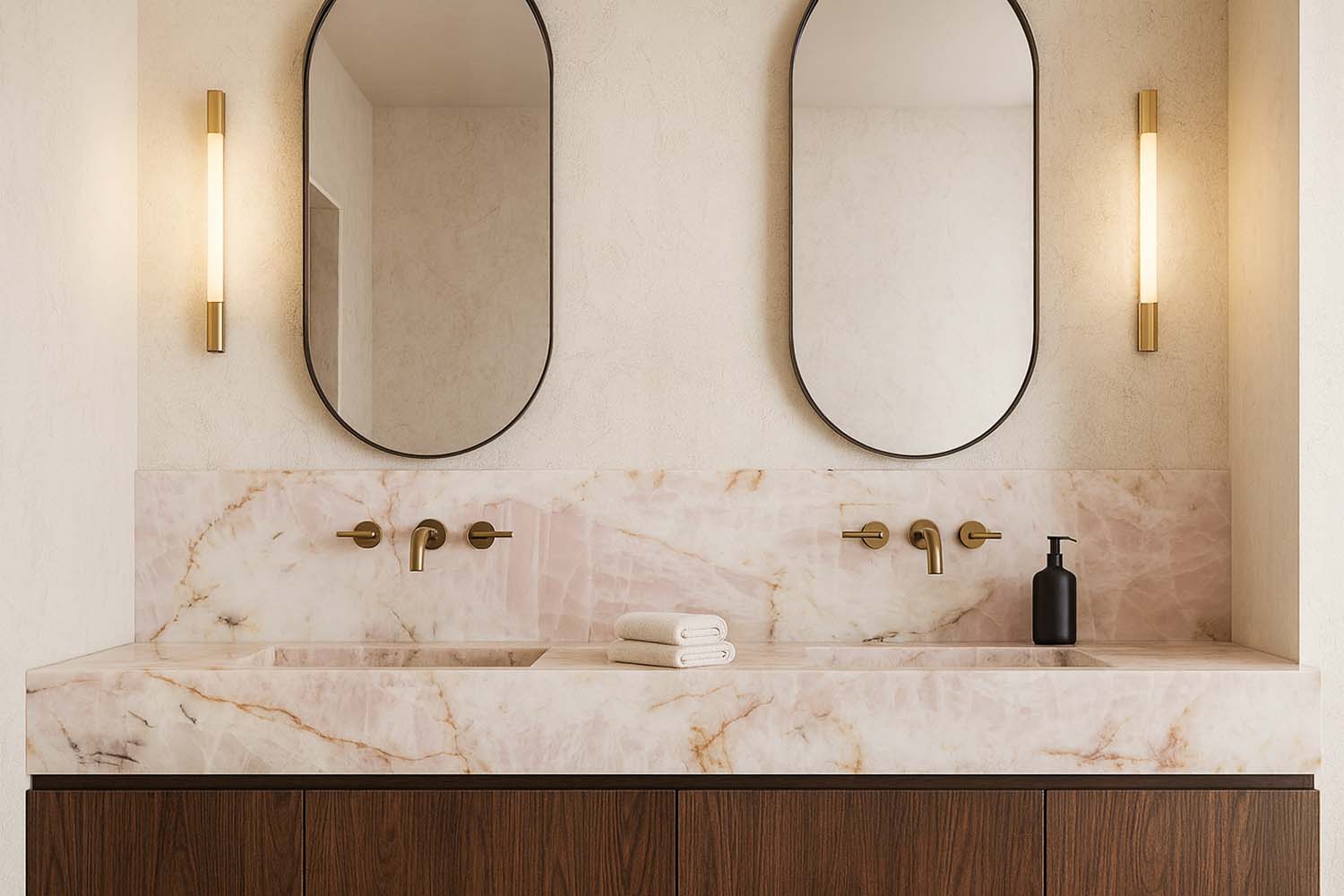
Quartzite (not to be confused with quartz) is a metamorphic rock formed when quartz sandstone is subjected to the same extreme pressure and temperatures as granite. The individual grains of quartz and cementing materials recrystallize into an interlocking mosaic with a smooth, glassy surface. Impurities and cementing materials in the original sandstone can add color to the quartzite, migrating together into streaks that make it resemble marble.
Caring for quartzite
Like granite, quartzite countertops require regular sealing, but virtually no other maintenance.
Price: $$ to $$$ (premium natural stone)
3. Dolomite
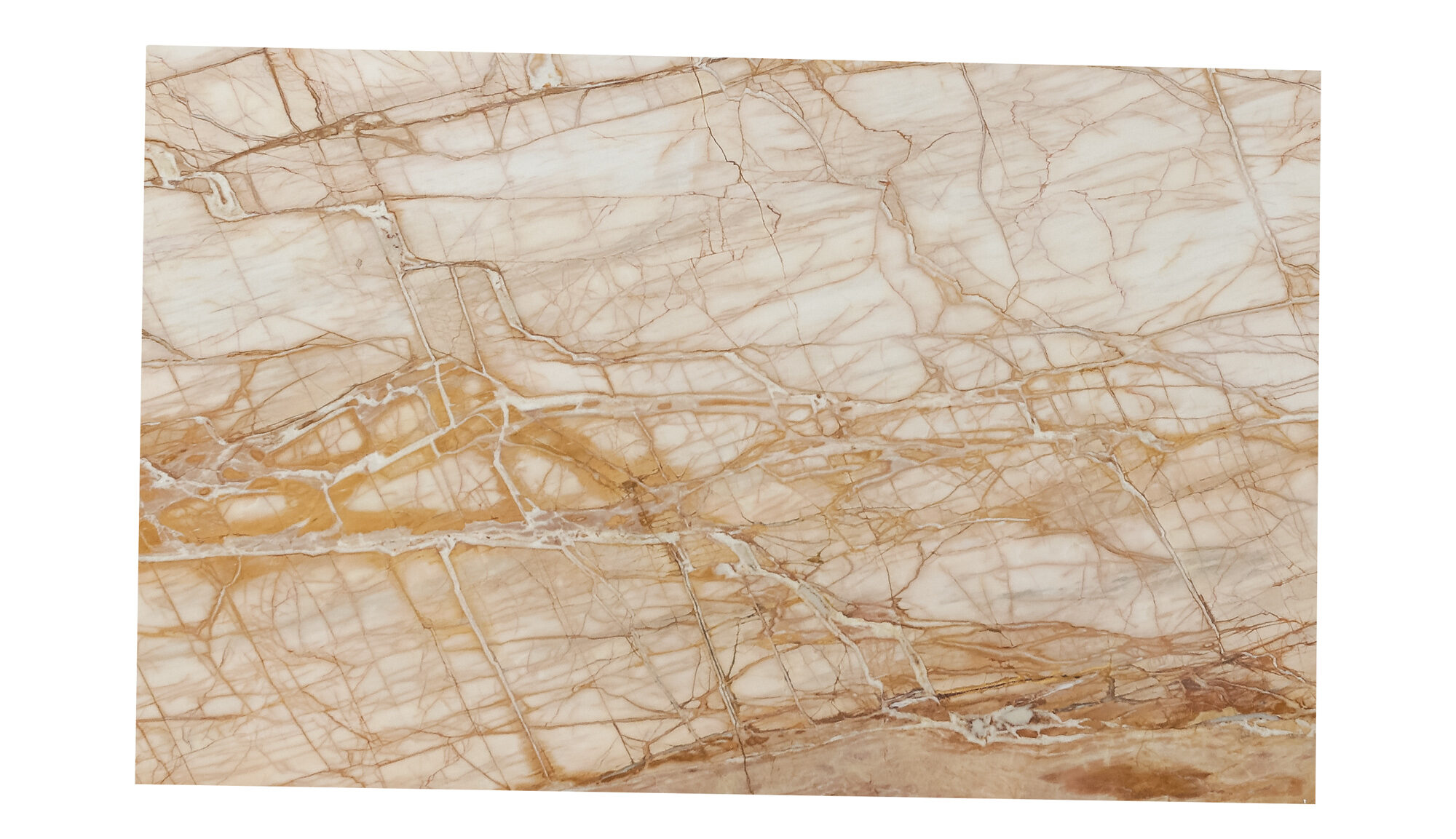
Rounding out the top natural stones is dolomite, a lesser-known option valued as a more durable and less expensive alternative to marble. It is often called dolostone to avoid confusion with the mineral dolomite, even though that mineral is a significant part of the stone's makeup.
Although dolomite is not quite as hard as granite, it is still much harder than marble, which makes it more resistant to scratches and chips. Sources of dolomite are plentiful, and although color options may be more limited, the varieties available can be just as visually striking as marble.
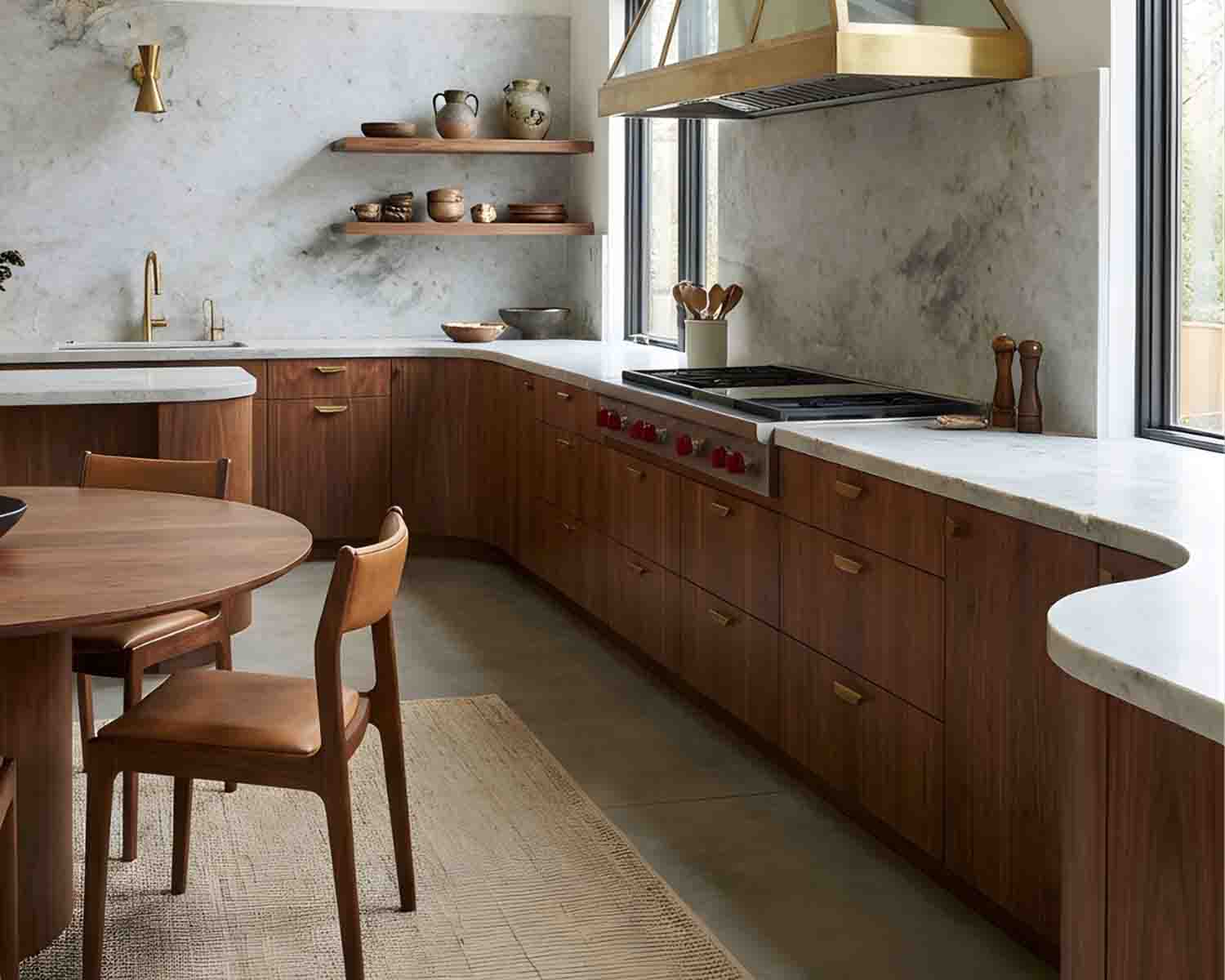
Dolomite is a sedimentary rock that forms when limestone comes into contact with magnesium-rich groundwater and undergoes a chemical change. It comes in shades of white or gray, and usually contains streaks that let it resemble marble even better than quartzite does.
Caring for dolomite
Like the other natural stones, dolomite countertops require regular sealing to prevent staining.
Price: $$ (mid-range, a value alternative to marble)
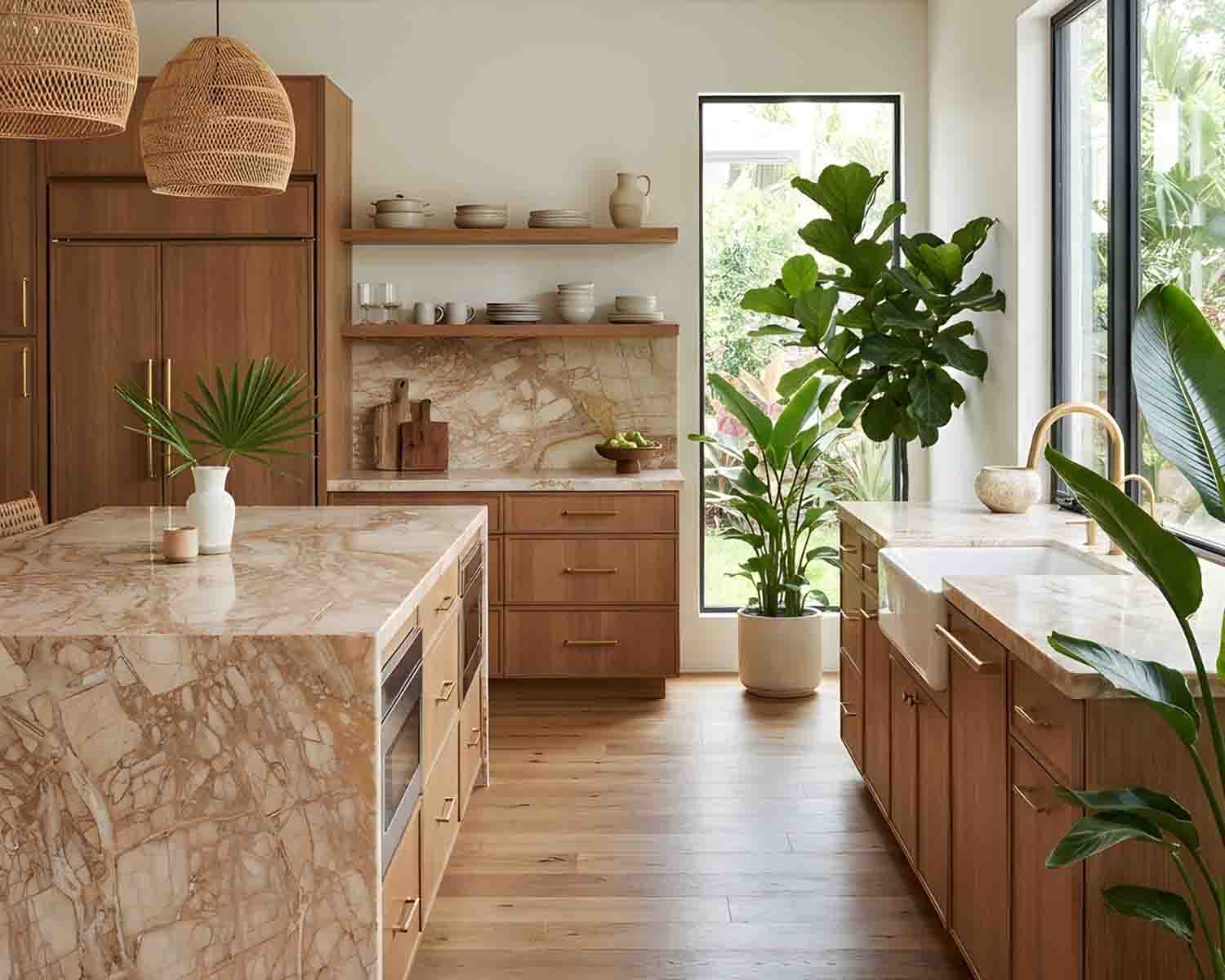
4. Marble
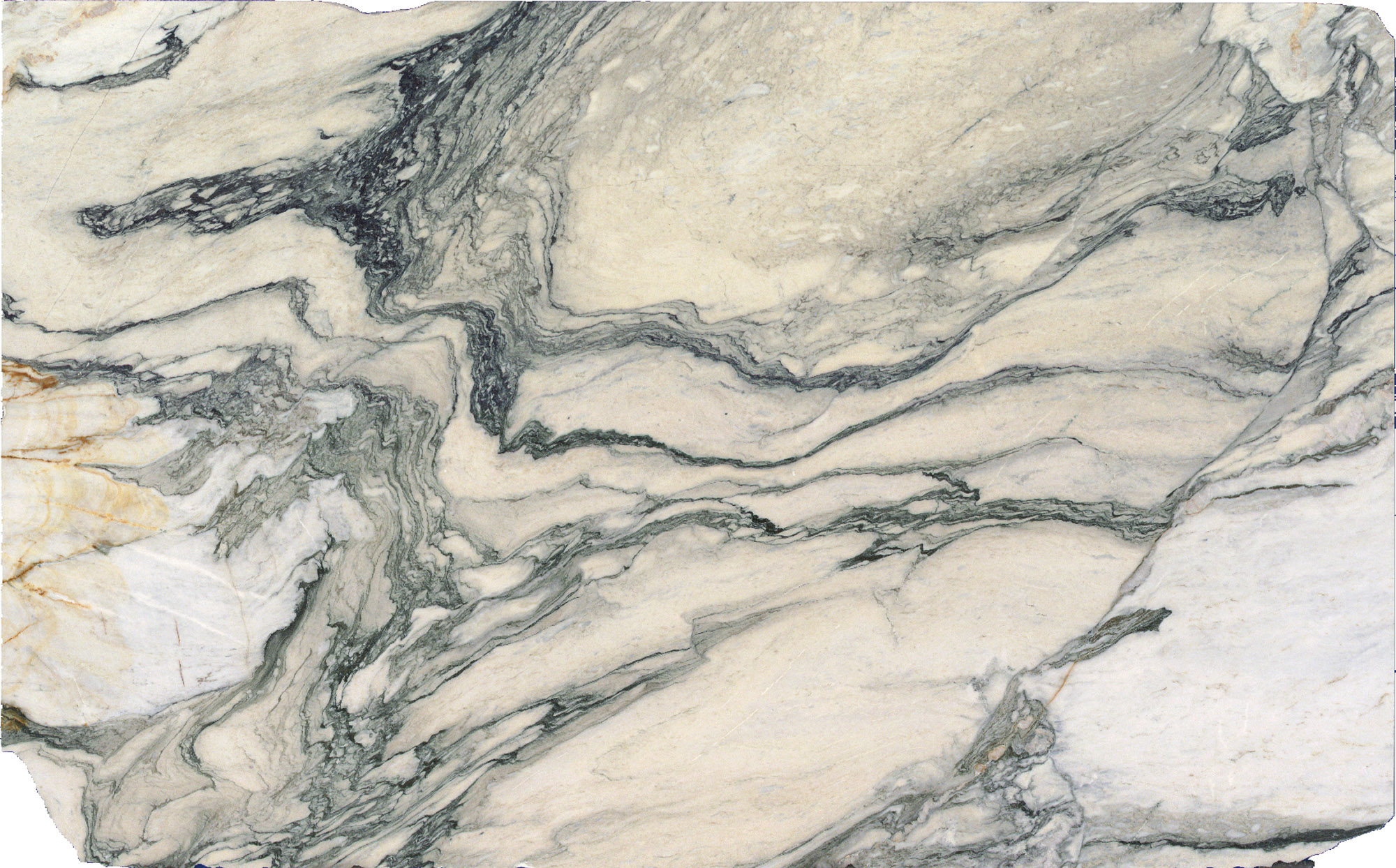
Marble earns its place primarily for its status as a premium design choice. Used in classical sculpture and upscale architecture for centuries, marble is the stone most people instinctively equate with opulence.
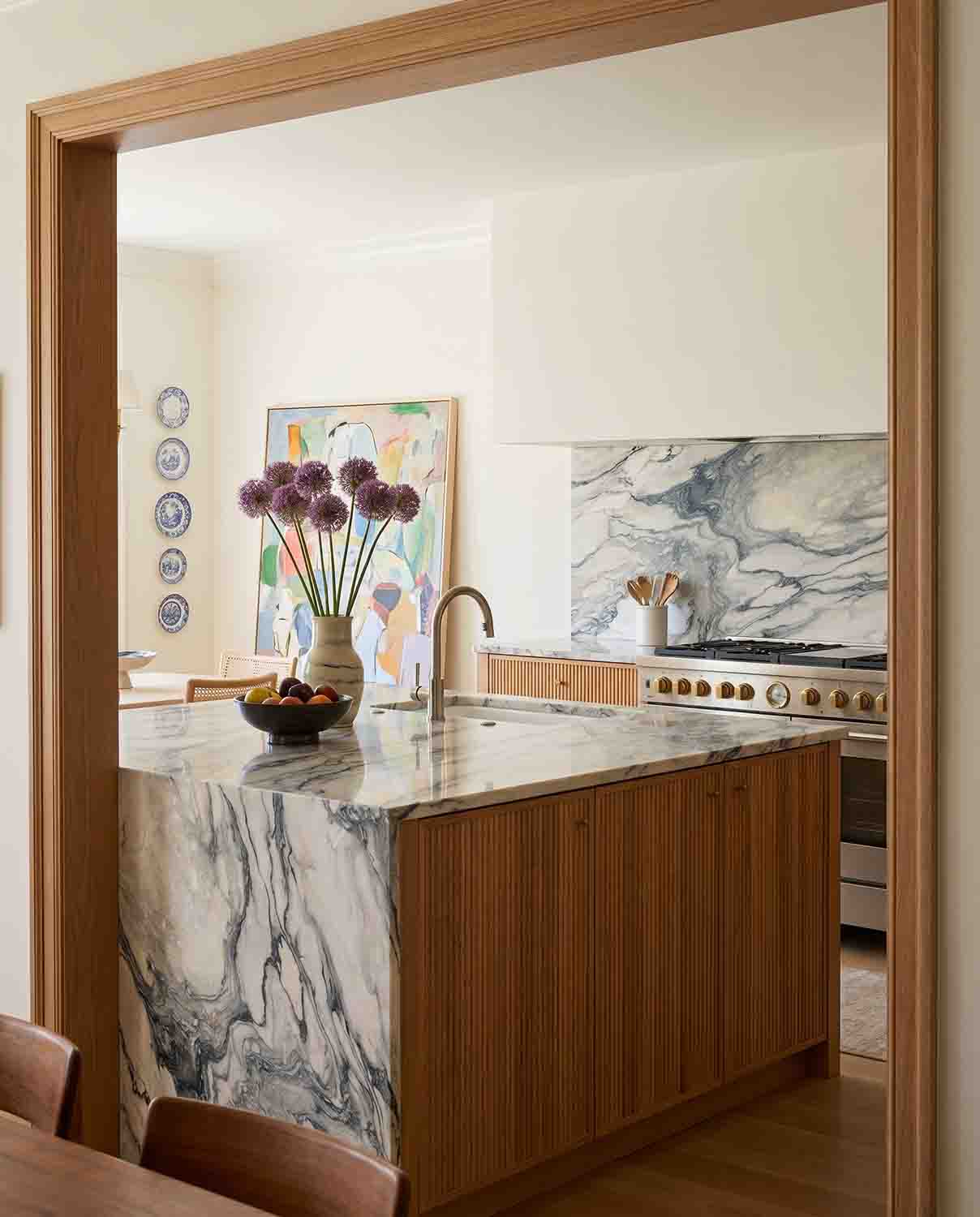
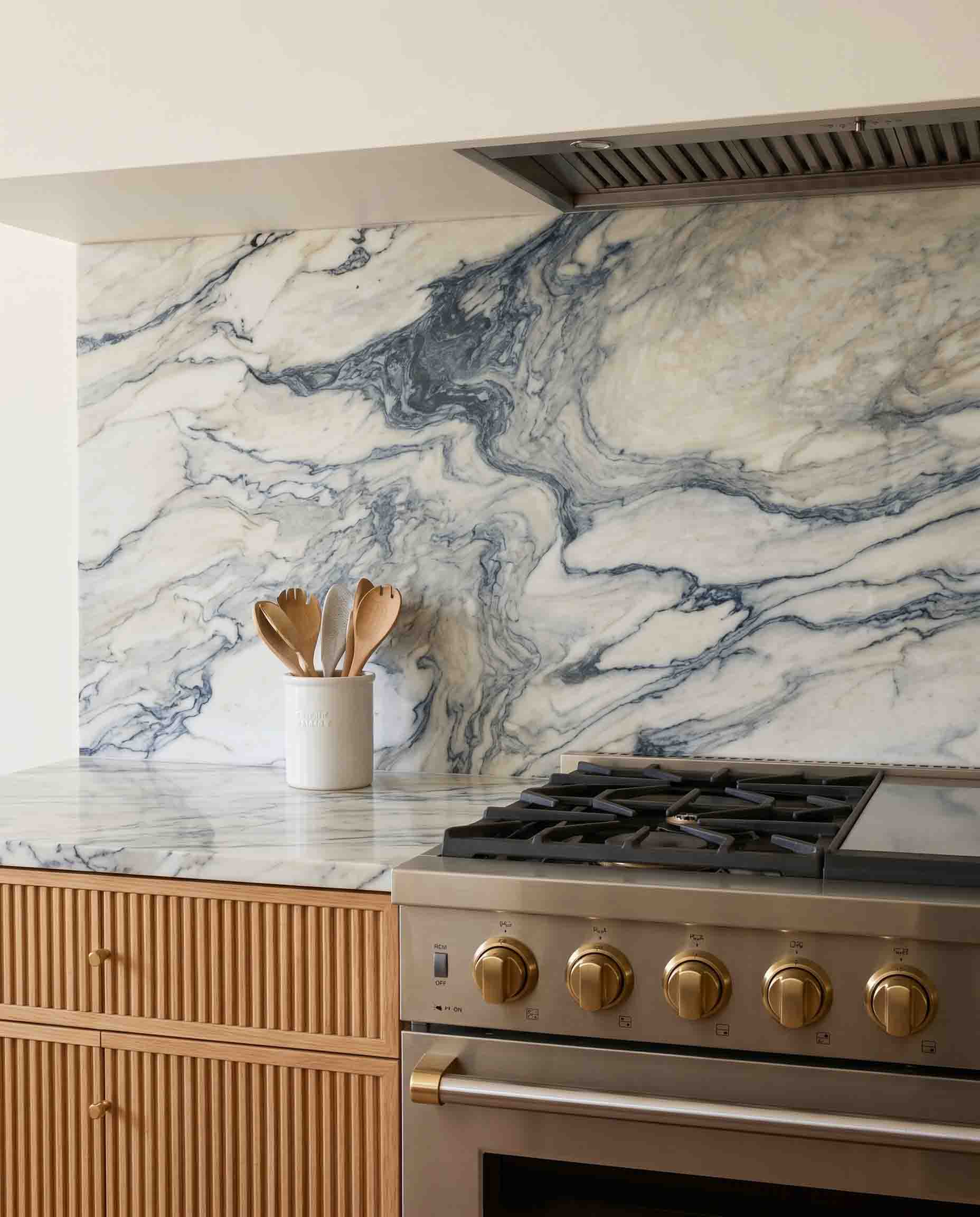
Marble is a metamorphic rock formed by subjecting limestone or dolomite to extreme pressure in the Earth's crust. Impurities allow it to form in a vast variety of colors and styles, which is a big part of its desirability as a design element.
Caring for Marble
Despite its popularity, marble is not as durable as other natural stones. It is porous, which makes it very susceptible to stains if it is not regularly sealed. It is also more prone to scratches and chipping. For many owners, that gentle patina becomes part of its character.
Price: $$ to $$$ (premium, and higher for rare stones)
5. Engineered Stone: Also Worth Considering
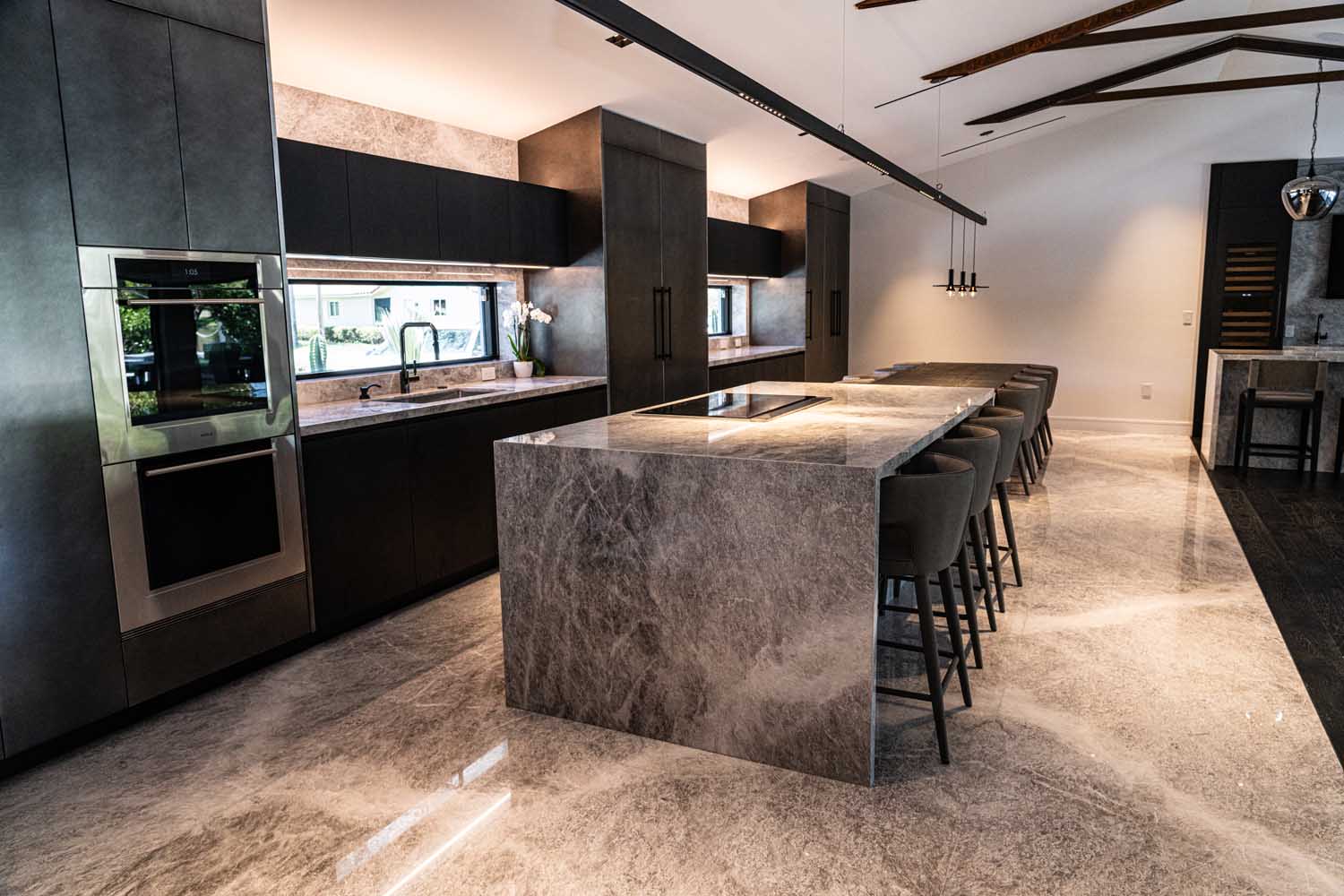
Quartz is the most popular engineered surface, but it is not the only option worth considering. Porcelain, in particular, continues to gain ground in 2026 kitchen and outdoor design.
PORCELAIN
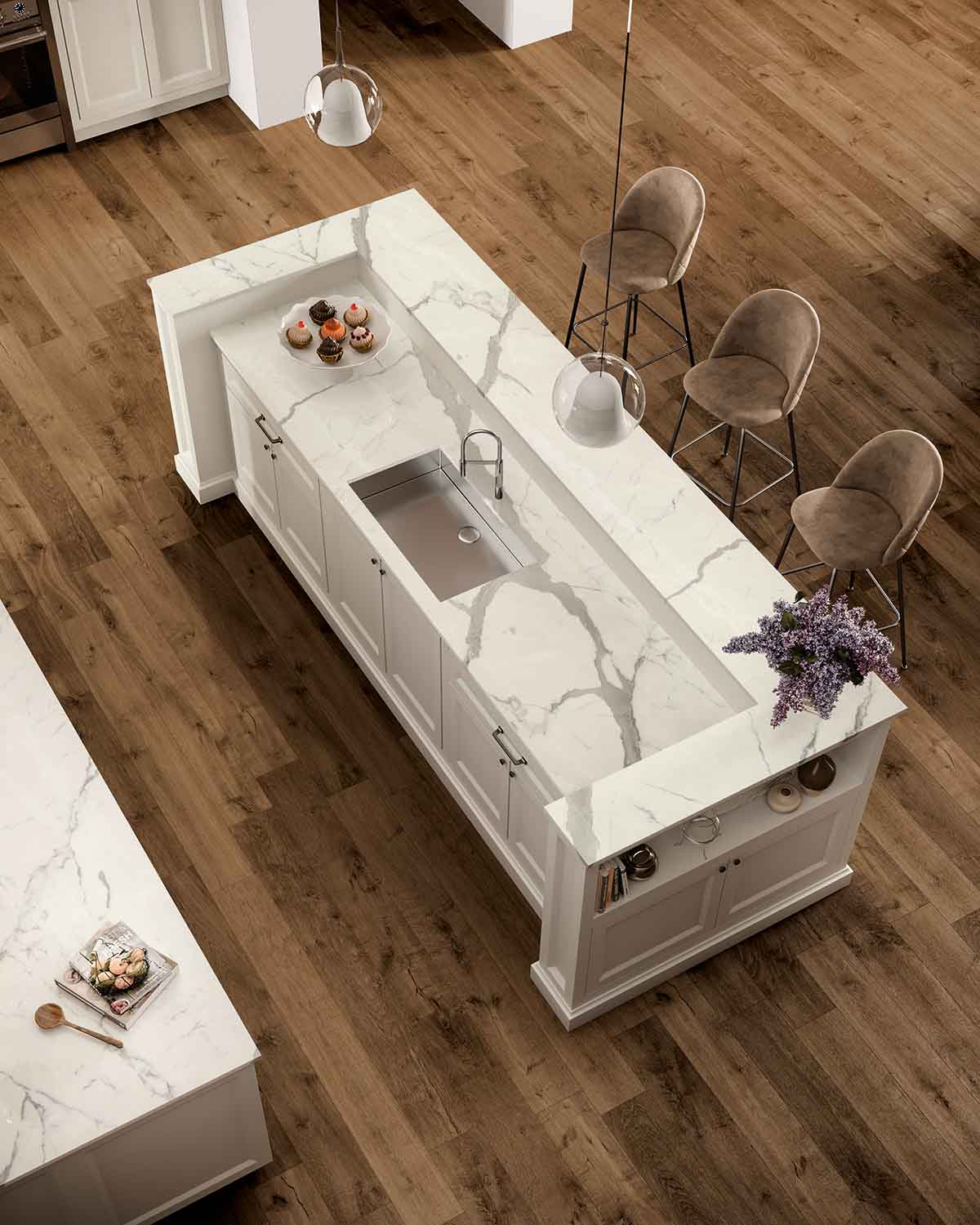
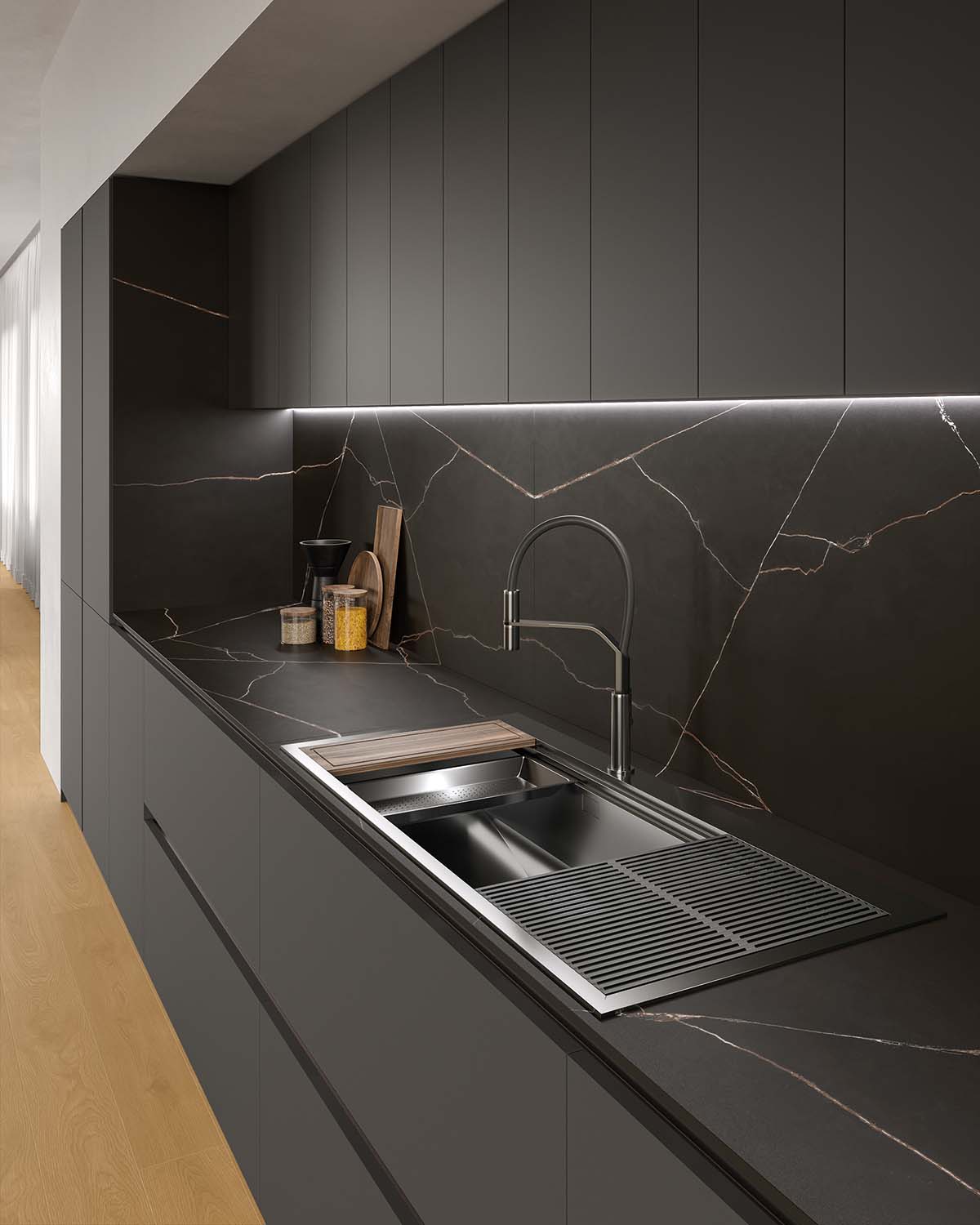
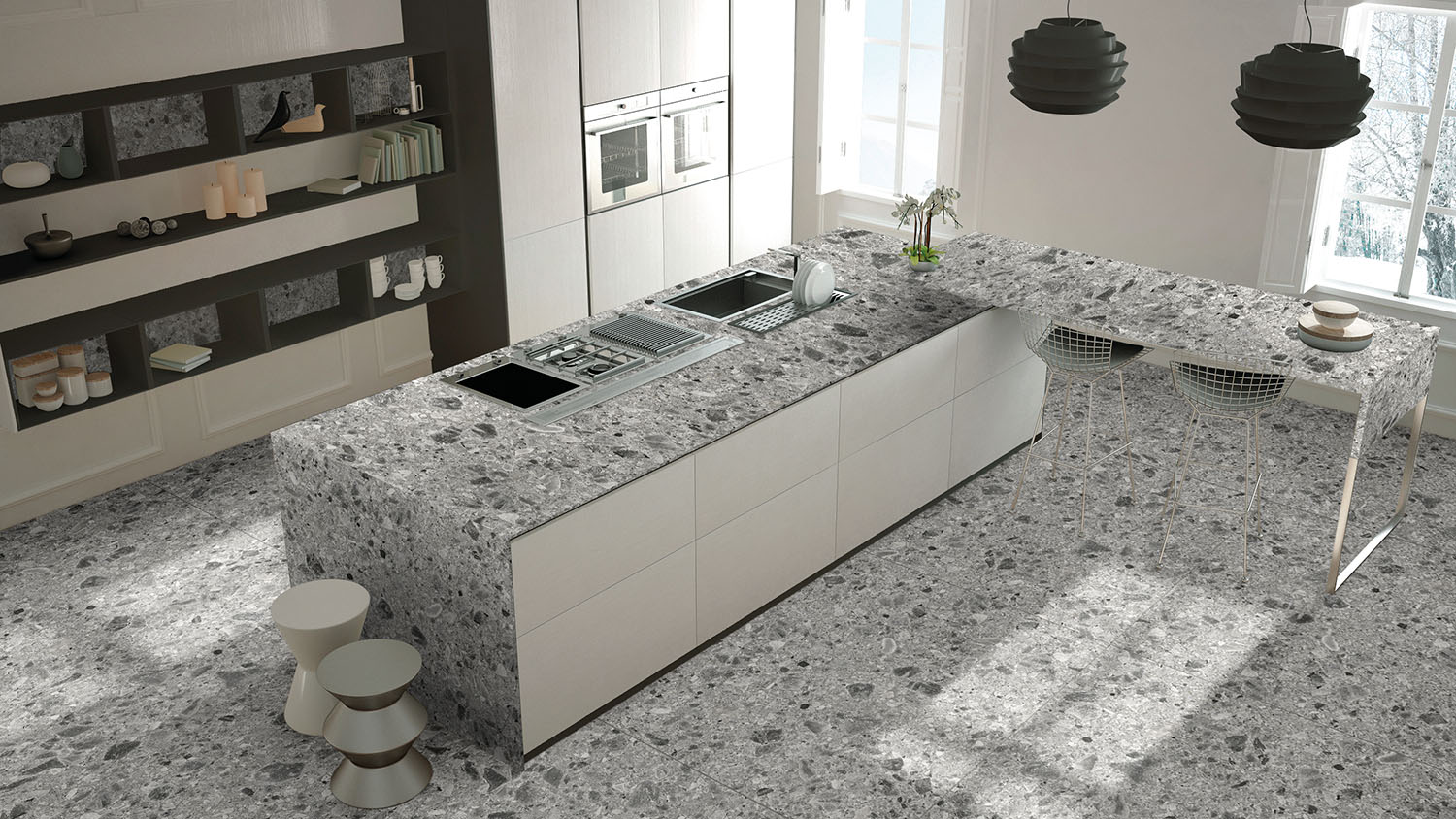
Porcelain has become one of the fastest-growing countertop surfaces in 2026, prized for its heat resistance, its UV stability, and its ability to run from an indoor kitchen out to a covered patio. It is available in nearly every style, color, and texture imaginable. Because it is manufactured with extreme heat, it is very heat resistant, and modern porcelain replicates natural stone convincingly, veining and all.
AVERAGE COST OF PORCELAIN
Price: $$ to $$$ (mid-range to premium; specialized fabrication adds cost)
Matching Stone to Your Priorities
Still weighing your options? Here is a quick way to narrow it down.
- Zero maintenance in a busy kitchen: quartz.
- Resale value and heat resistance: granite.
- A design purist willing to maintain it: marble.
- Marble's look with far more durability: quartzite.
- A marble alternative on a smaller budget: dolomite.
- Indoor-outdoor flow and low upkeep: porcelain.
Once you have a material in mind, color and pairing come next. Our guide to five neutrals to rock your world is a good place to find a palette.
Of course, there are many other surfaces to explore before designing or remodeling a kitchen or bath. Soapstone, limestone, travertine, and other stones are all viable choices for quality countertops. This list focuses on a few of the most durable, popular, and stylish surfaces, but what is best for your space depends on your own needs and taste.
Opustone features an enormous variety of natural stone and engineered stone slabs. Our staff has the expertise to guide you to the right choice for your project.
Want to view products in person?