
Kitchen Countertops 101: Choosing the Right Stone
When designing a kitchen, countertop selection is where aesthetics and performance truly intersect.
These surfaces must withstand daily wear, heat, spills, and time, while anchoring the overall design of the space. Choosing the right material isn’t about following trends or playing it safe; it’s about understanding how each option performs and how it fits your lifestyle.
From expressive natural stone to refined alternatives that prioritize durability and ease of maintenance, there are thoughtful solutions for both bold design lovers and those seeking longevity with minimal upkeep.
In this guide, we explore how each stone interacts with the needs of a kitchen space, breaking down their strengths, considerations, and ideal uses. Whether you’re looking for a statement slab or a low-maintenance surface that still feels elevated, this overview is designed to help you make informed, confident decisions.
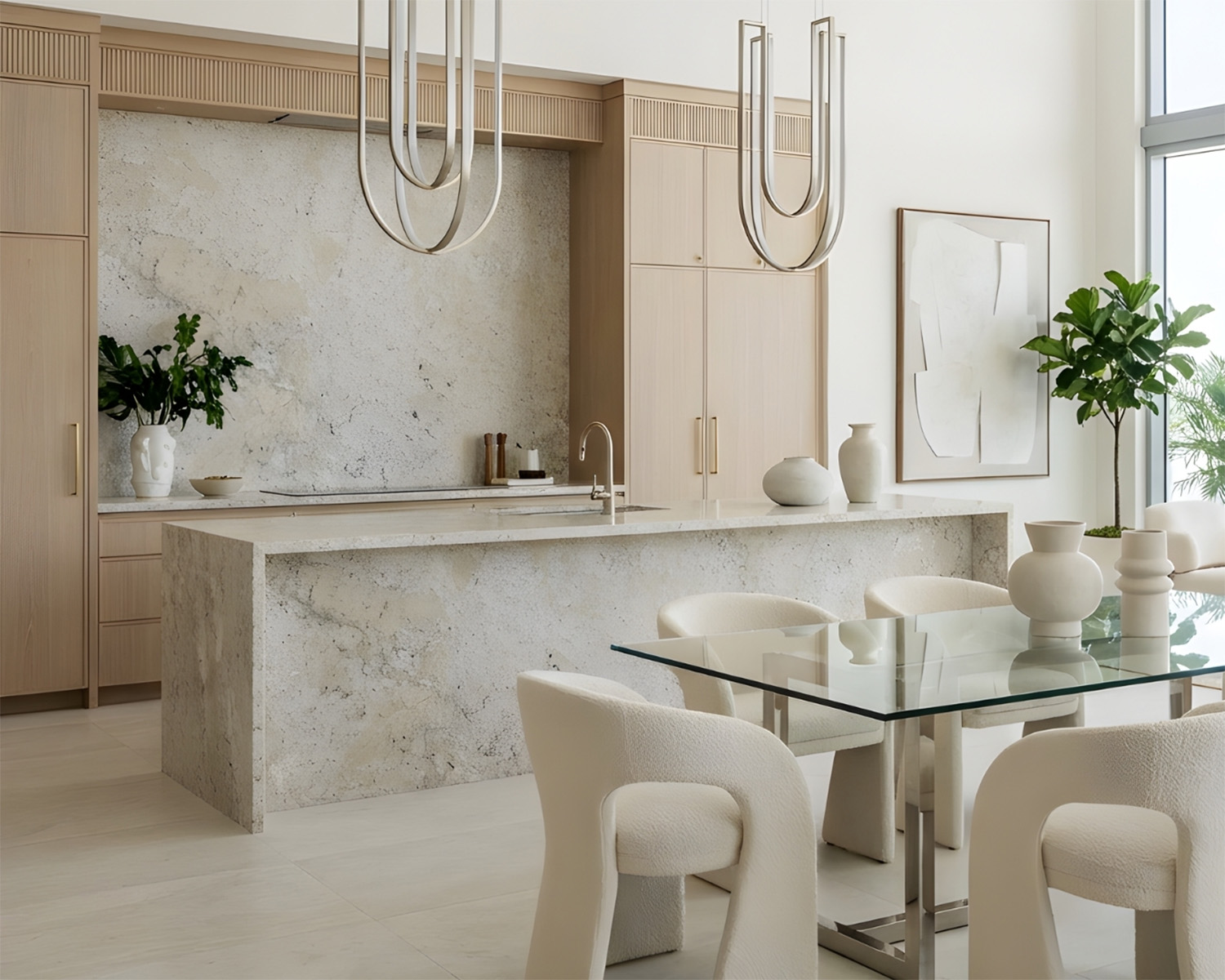
GRANITE

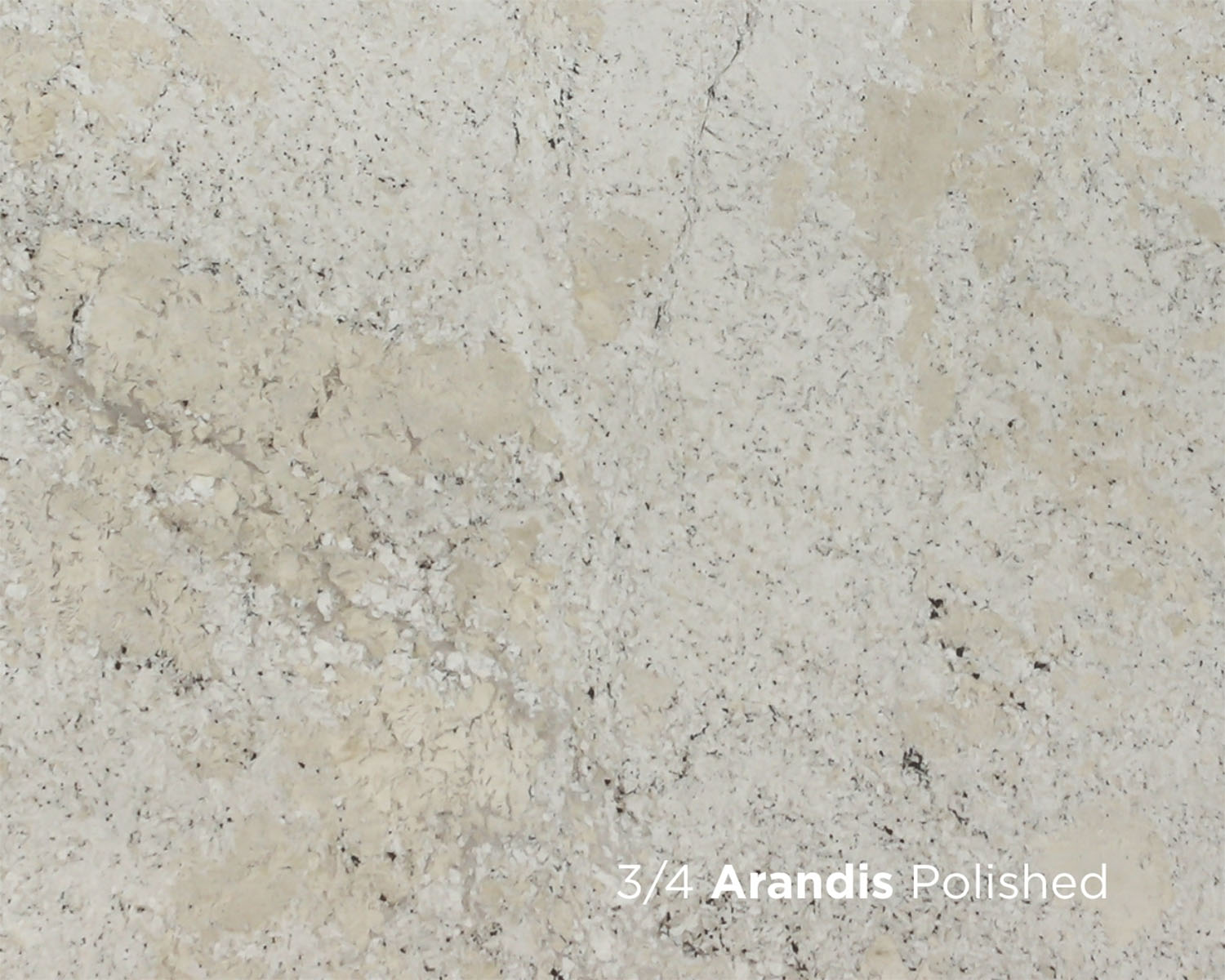
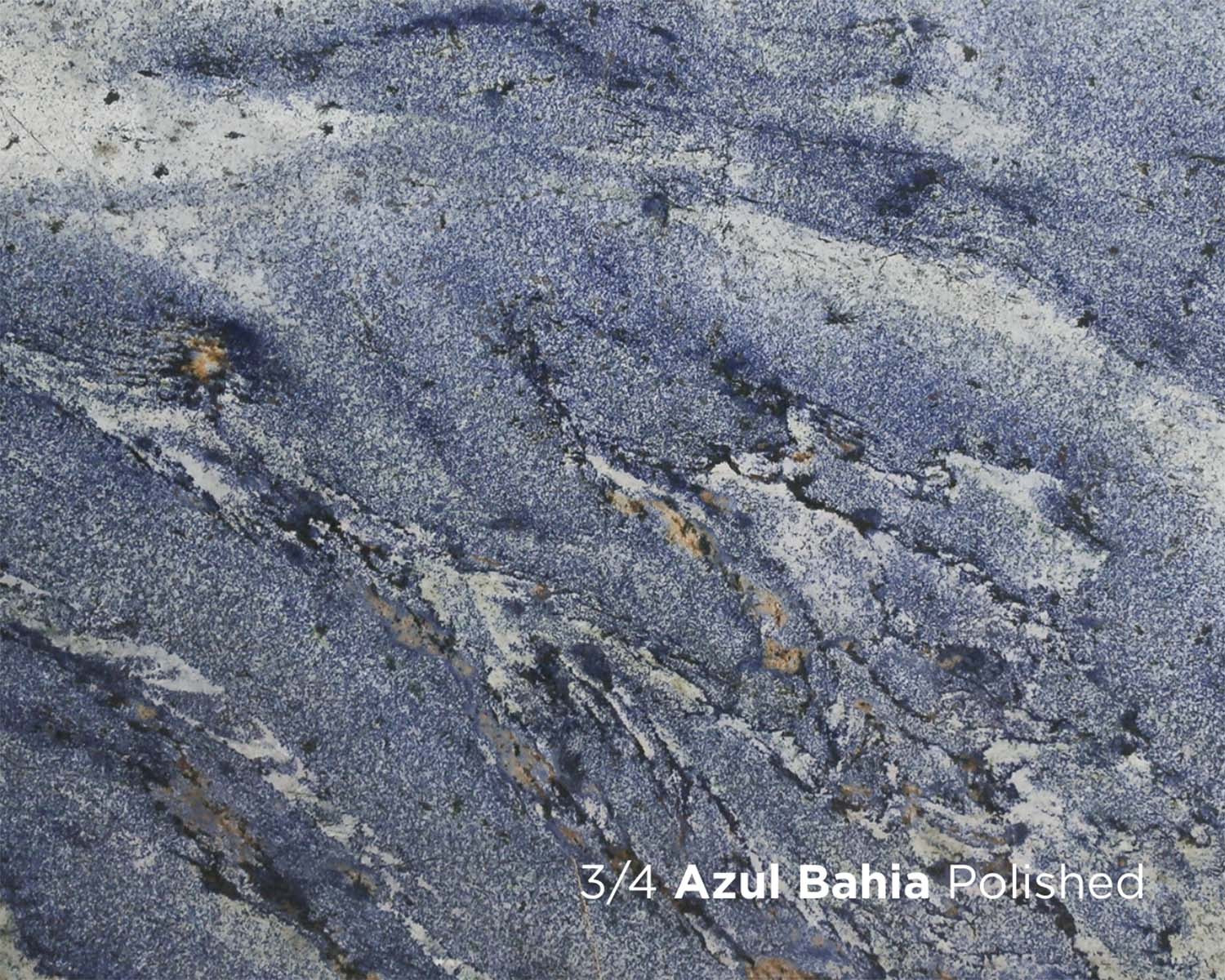
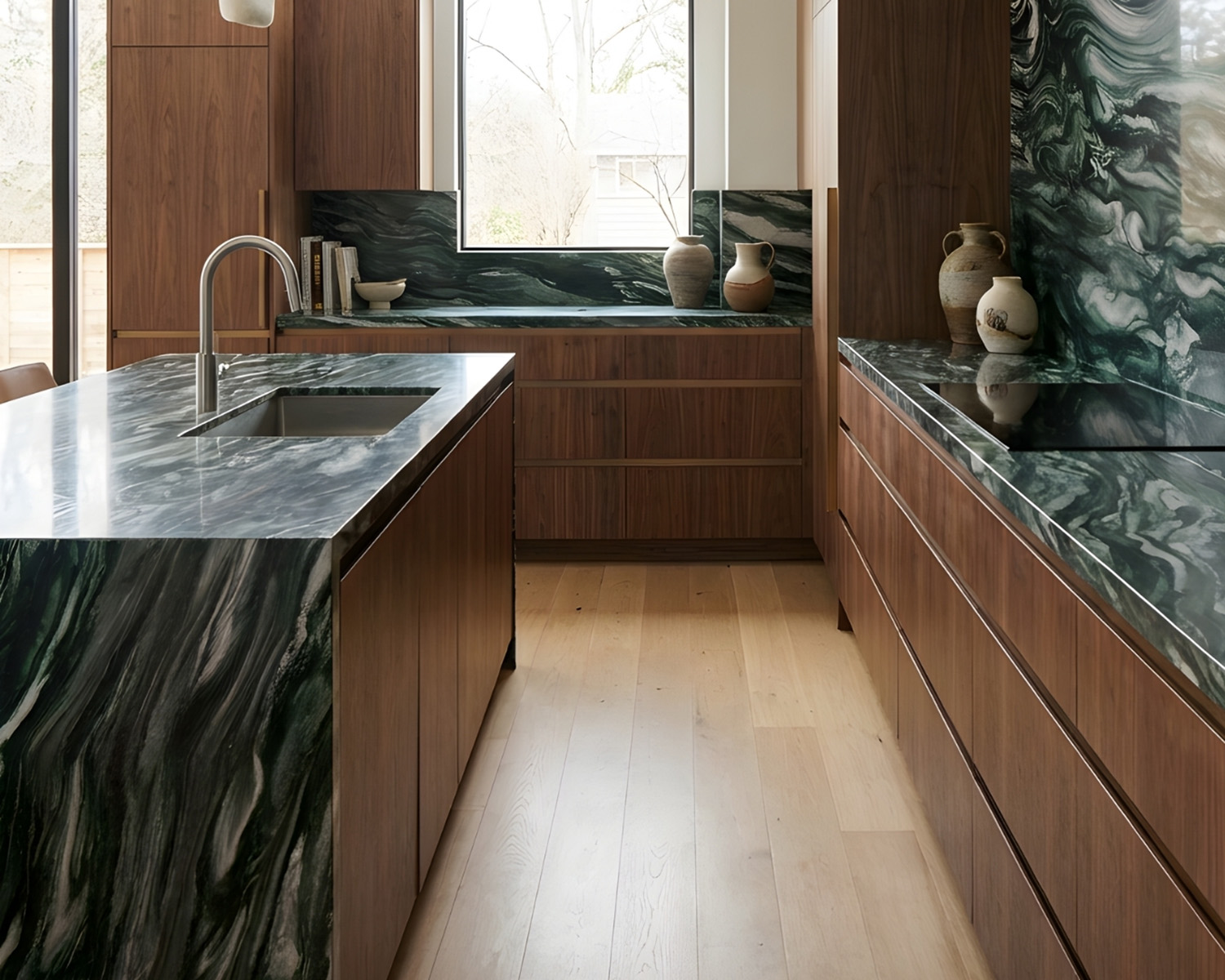
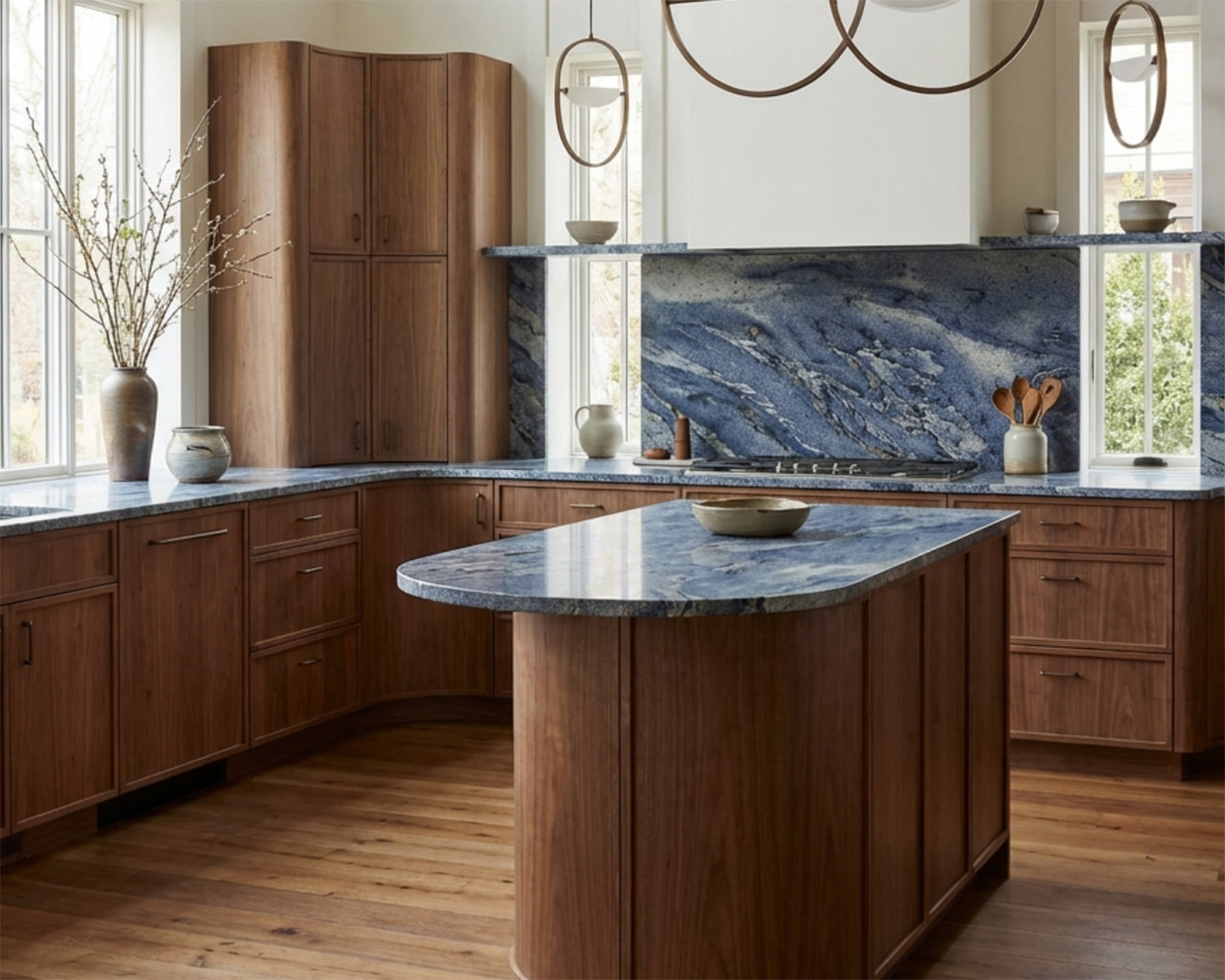
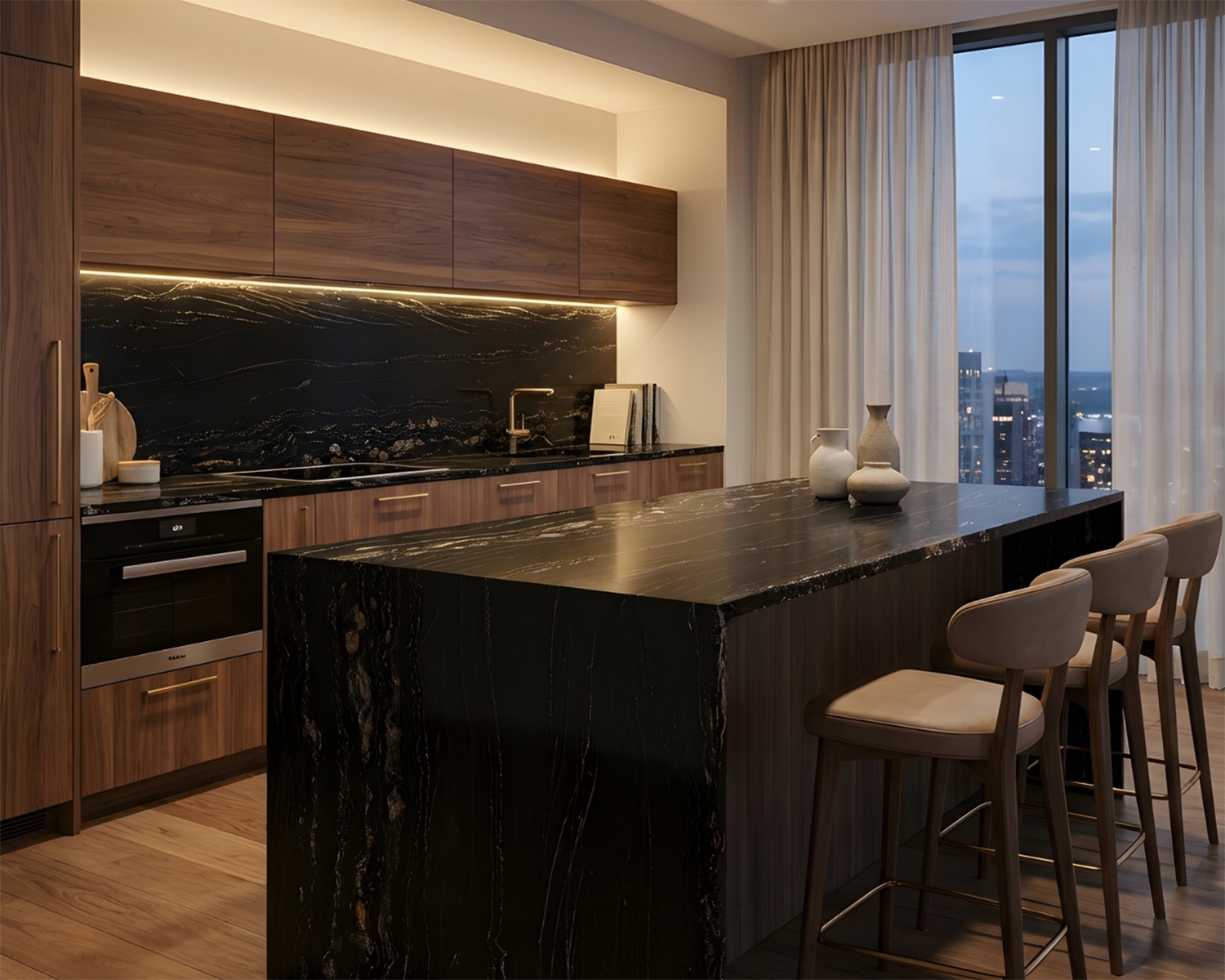
Granite comes in an incredible range of tones, colors, and patterns, and no two slabs are ever the same. If you’re willing to experiment a little and embrace its natural quirks, you can turn your countertop into a true showstopper that makes your kitchen unforgettable.
QUARTZITE
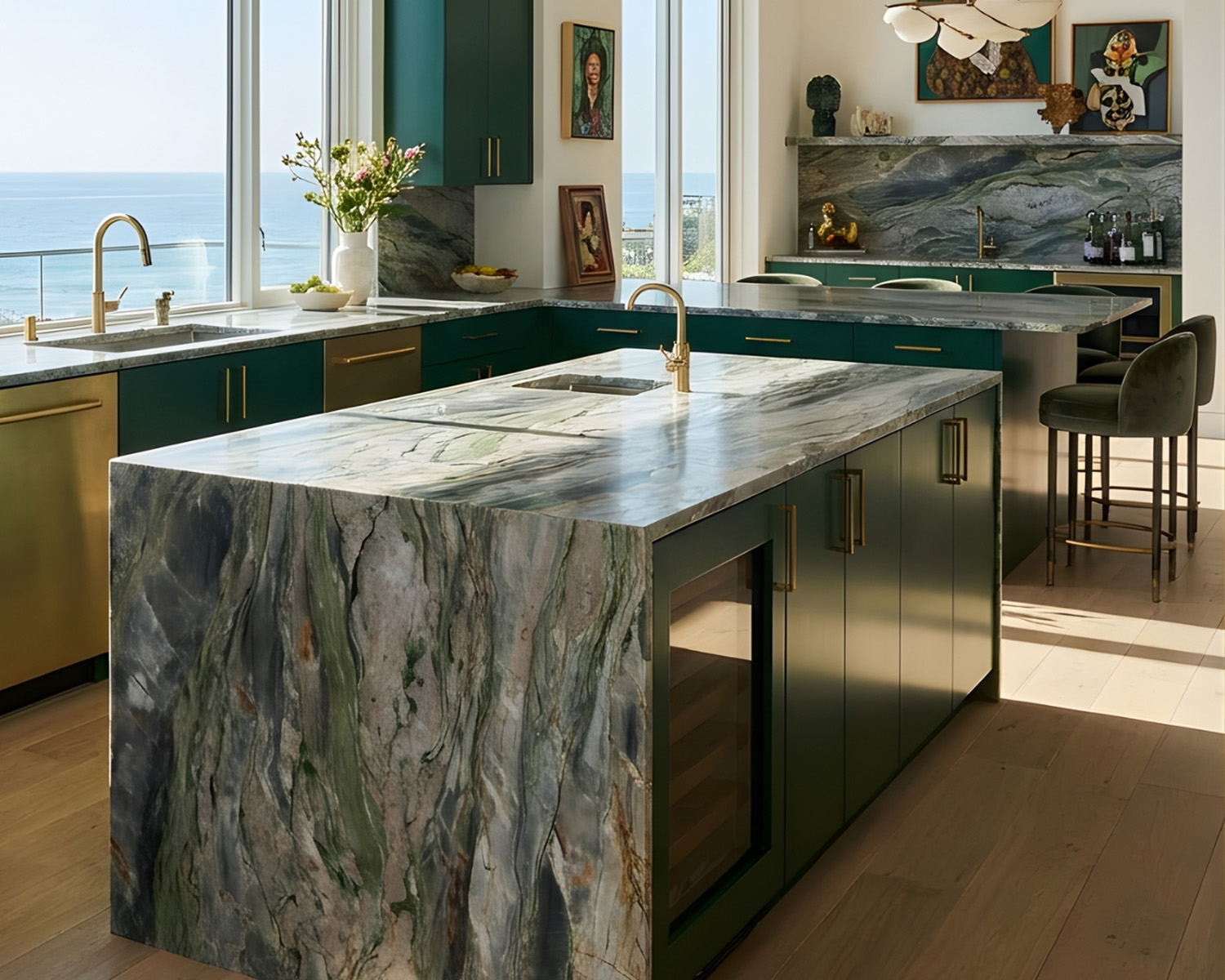
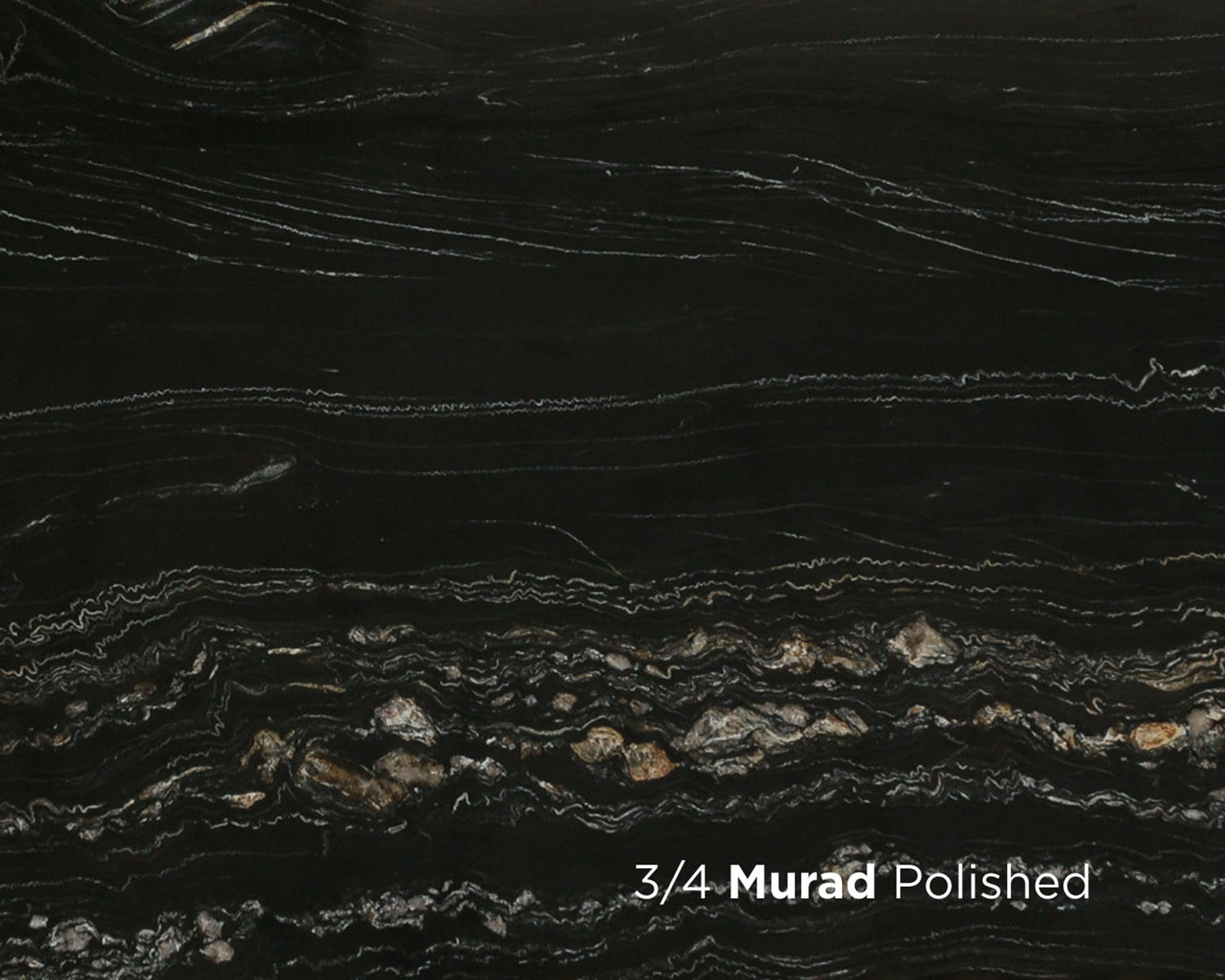
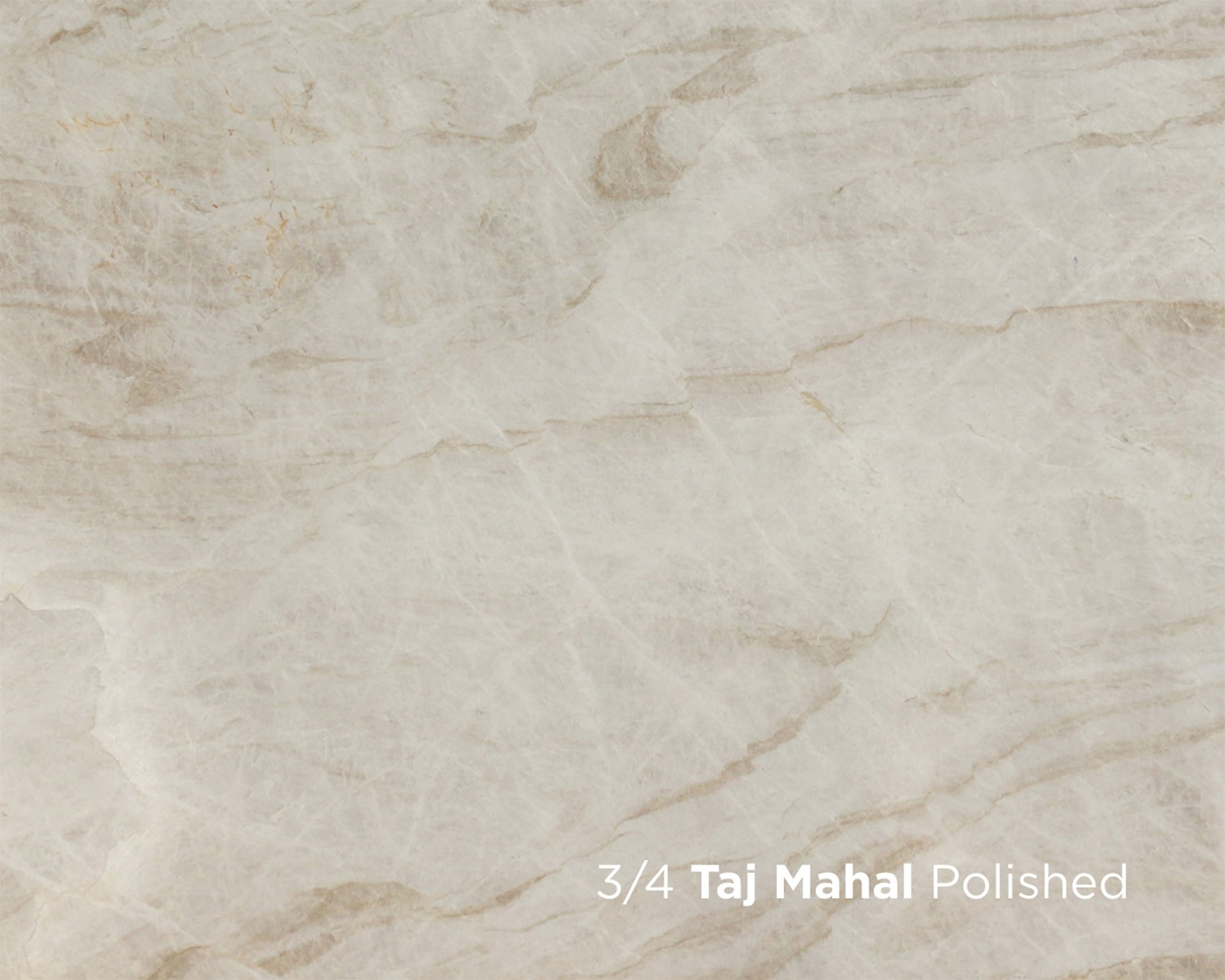
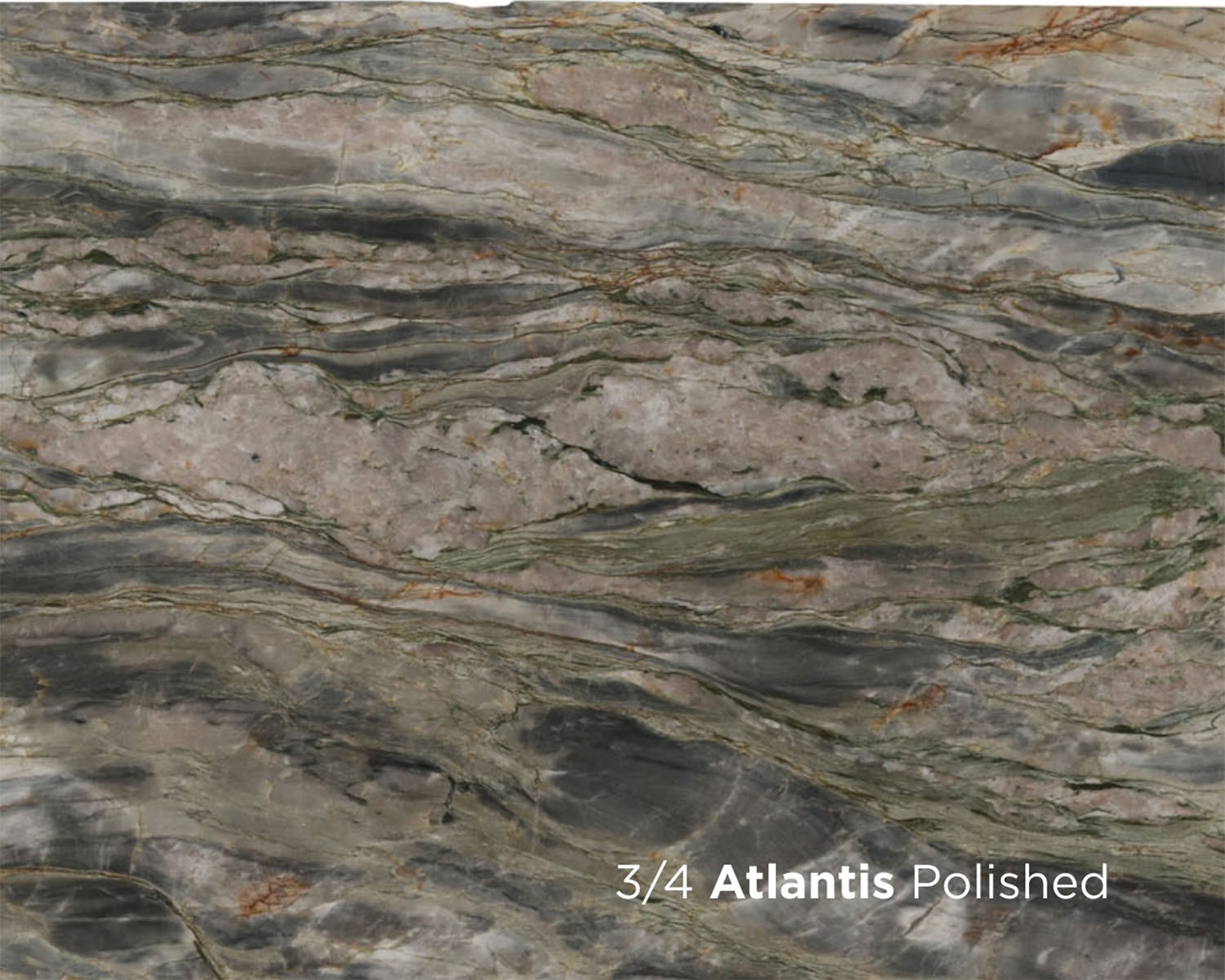
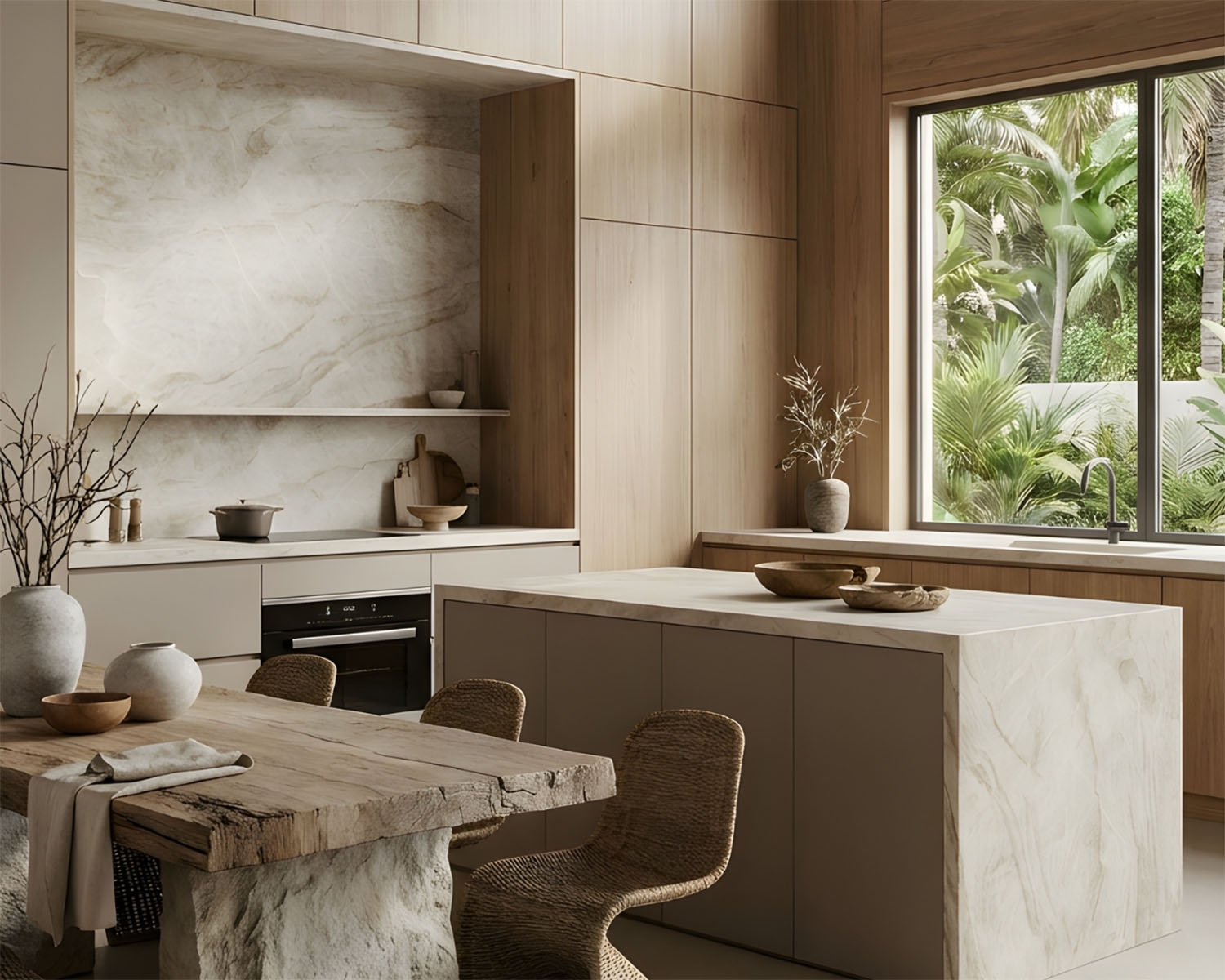
Each quartzite slab is a one-of-a-kind piece of art, and the color options are practically endless so you can explore different design routes.
MARBLE
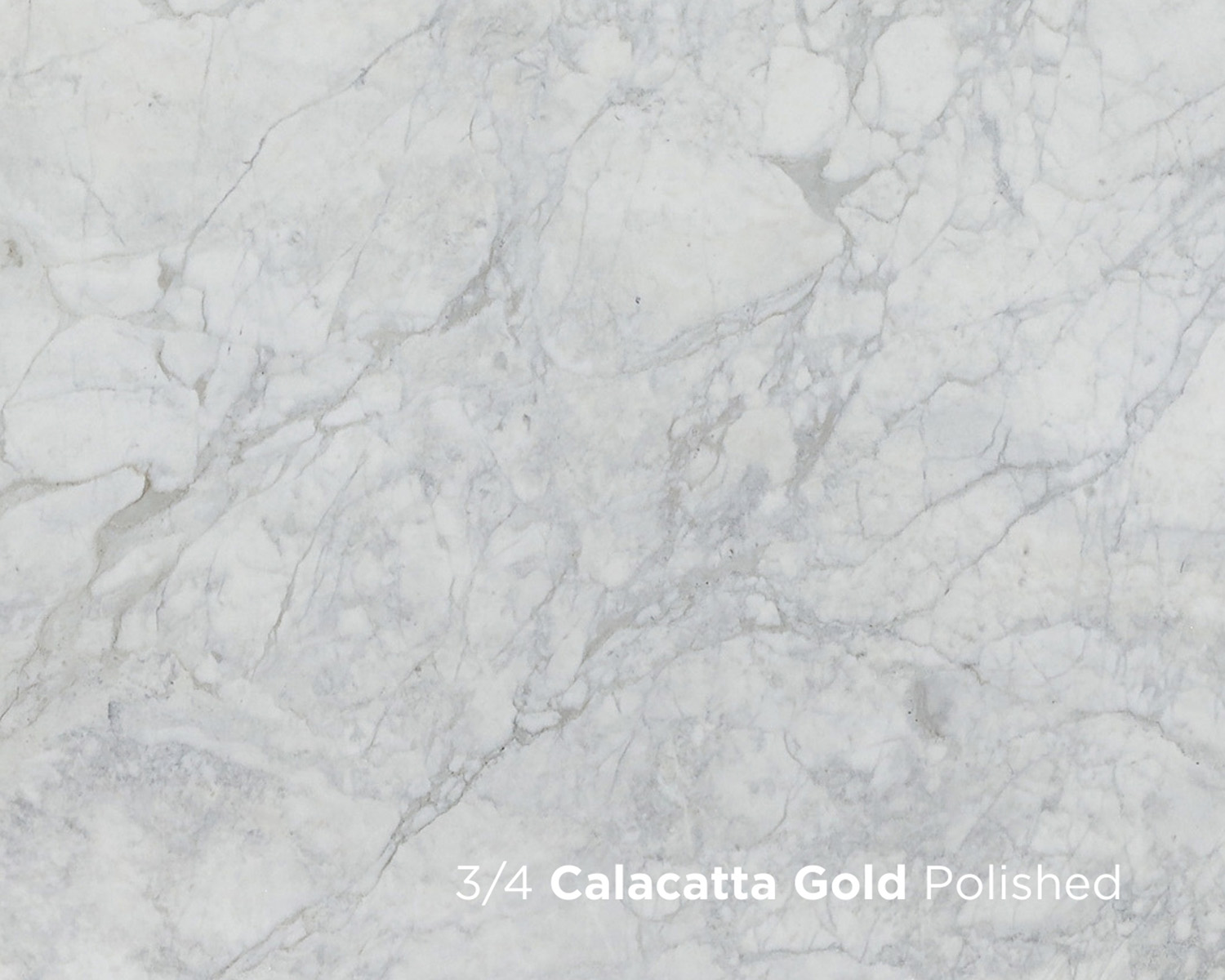
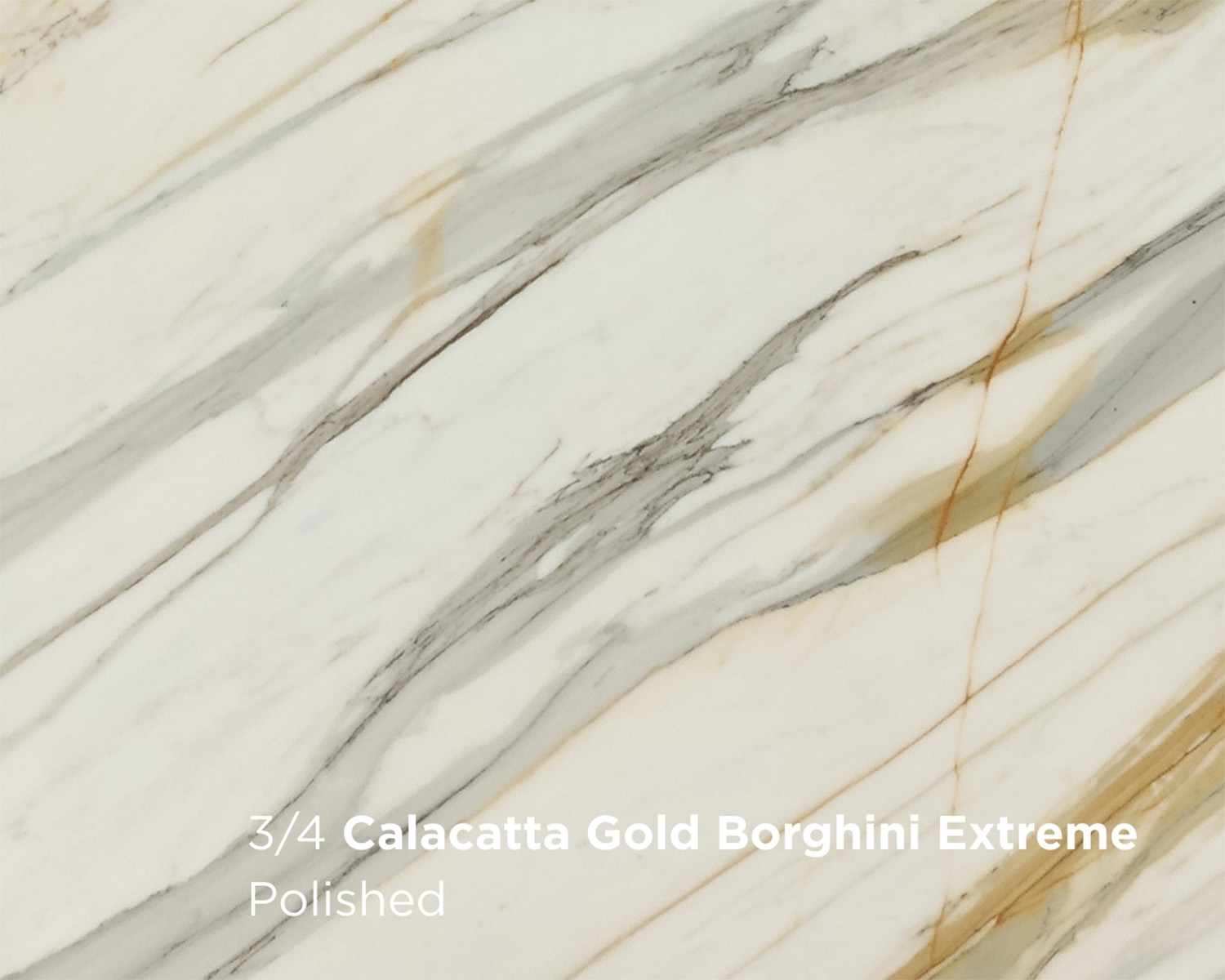
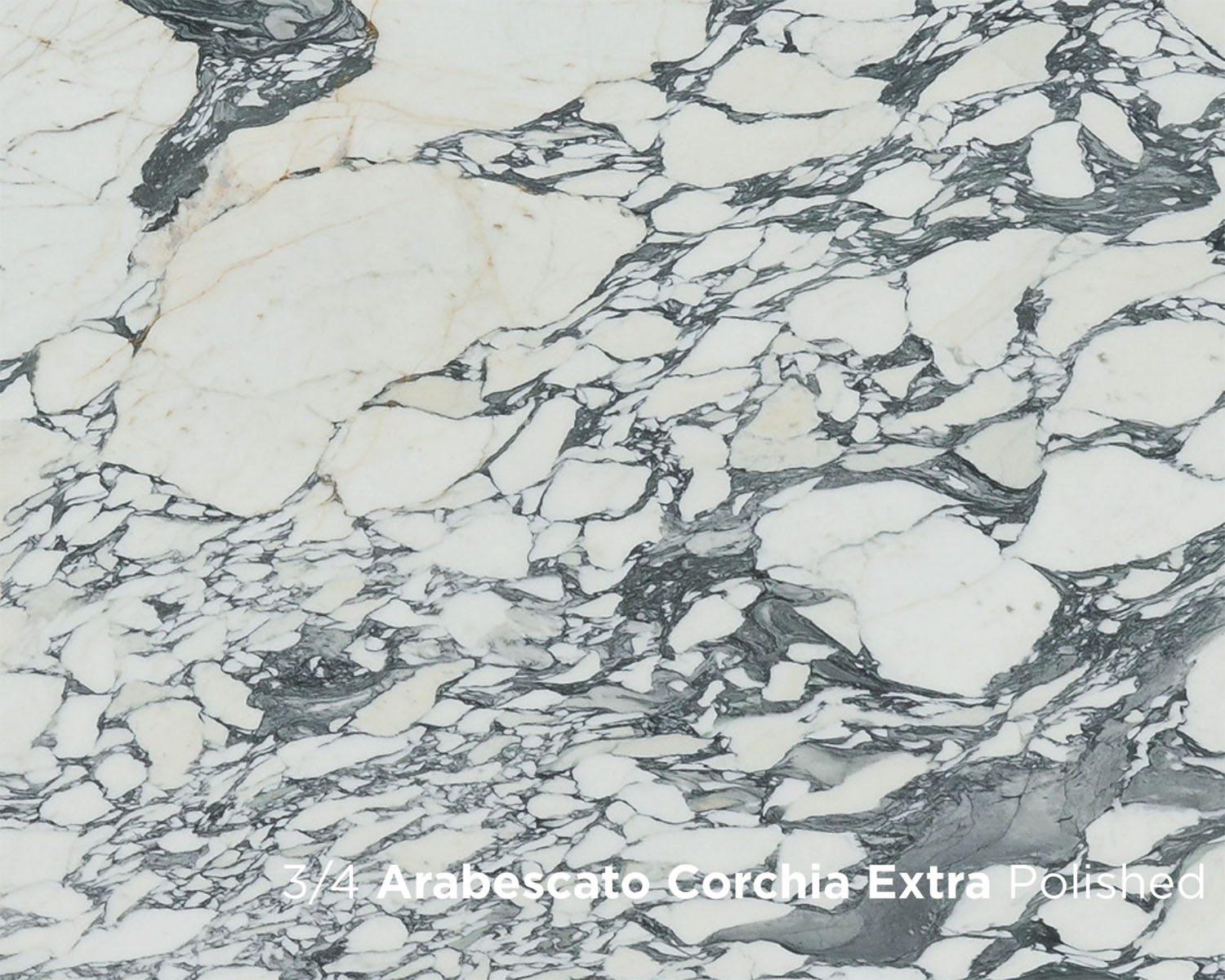
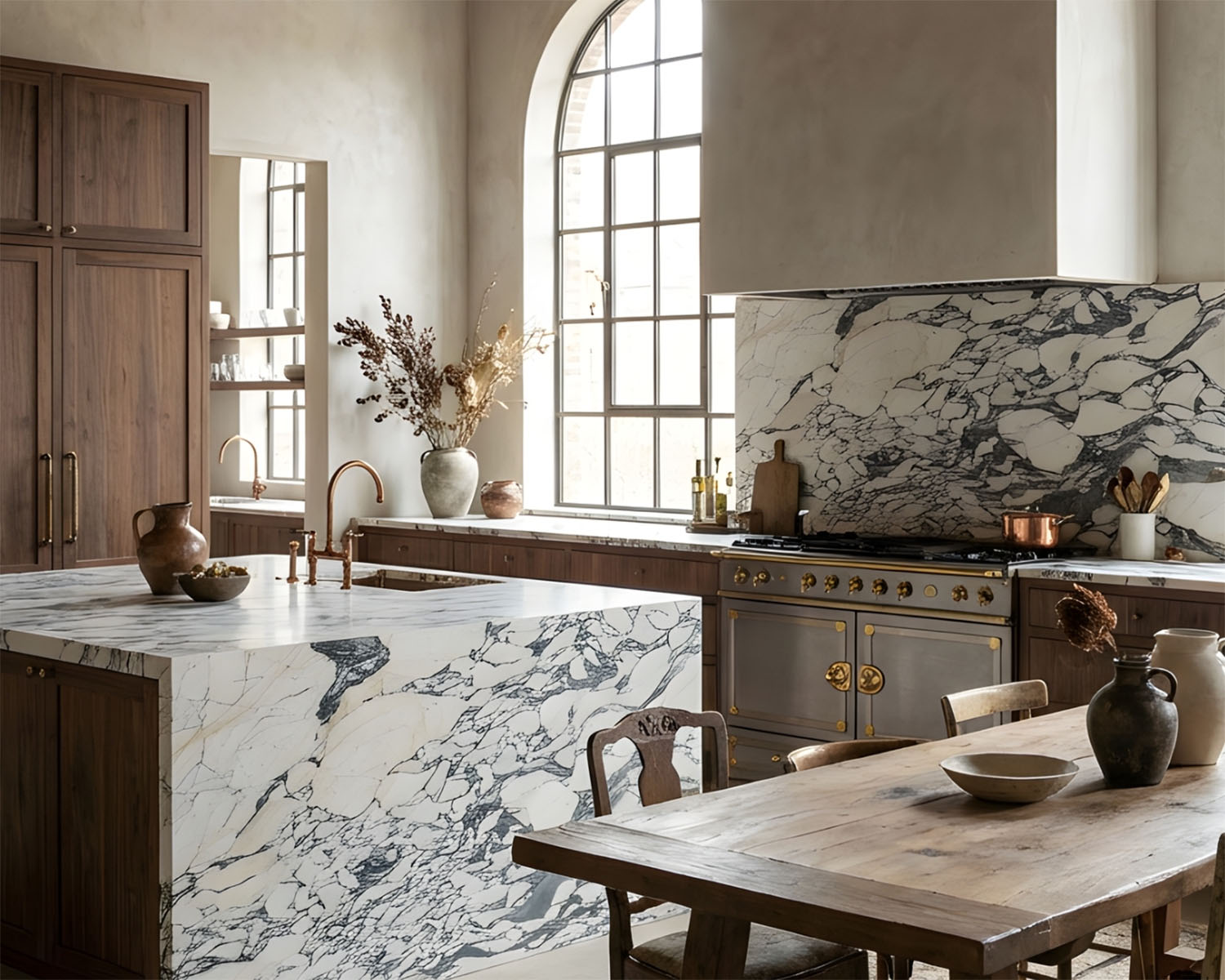
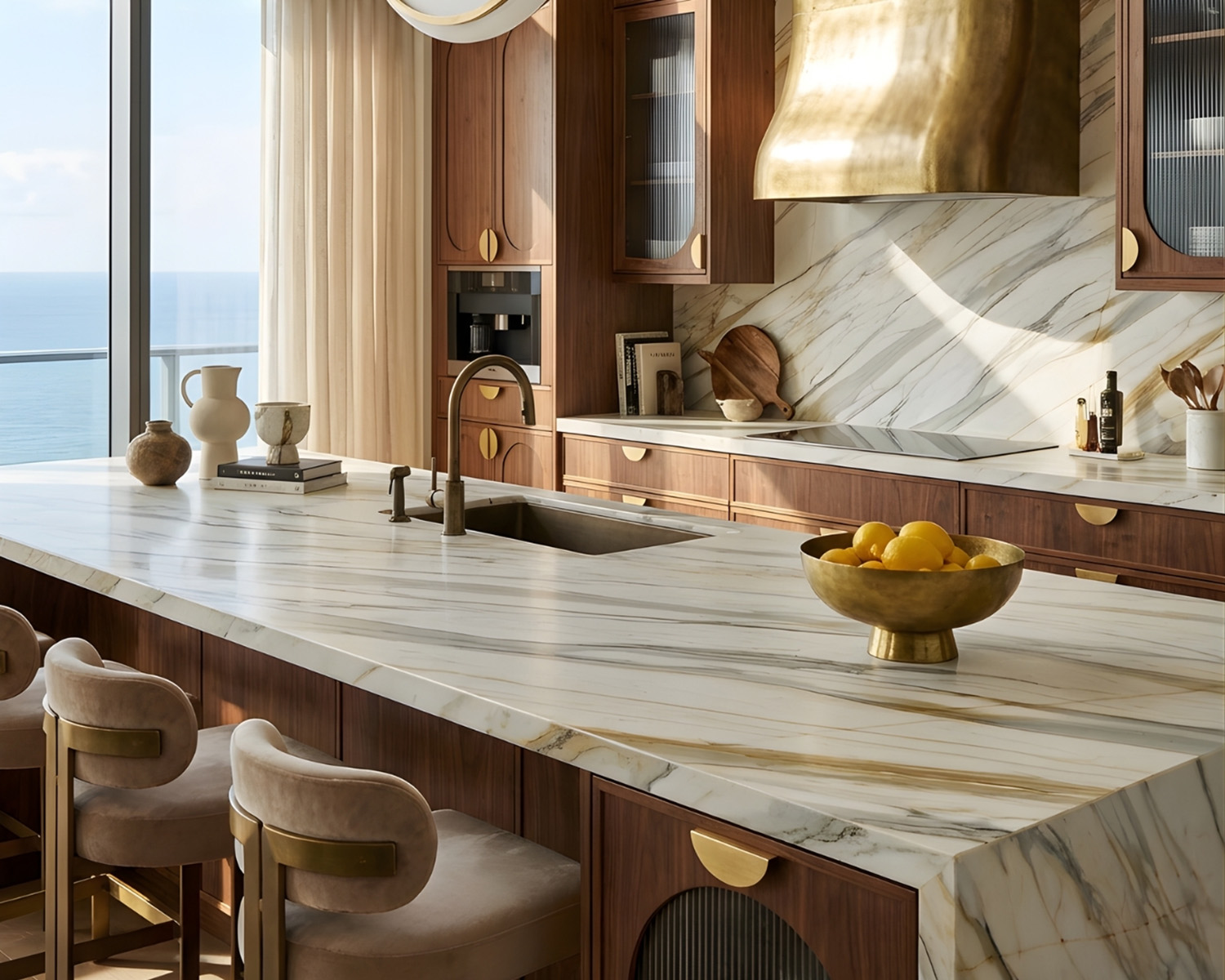
That said, marble is softer than some other stones, more prone to etching and scratches, and requires regular sealing and mindful care—but for those who appreciate character, history, and enduring elegance, it’s a love story waiting to happen. We always recommend consulting our stone specialists at Opustone showrooms before making a decision.
DOLOMITE
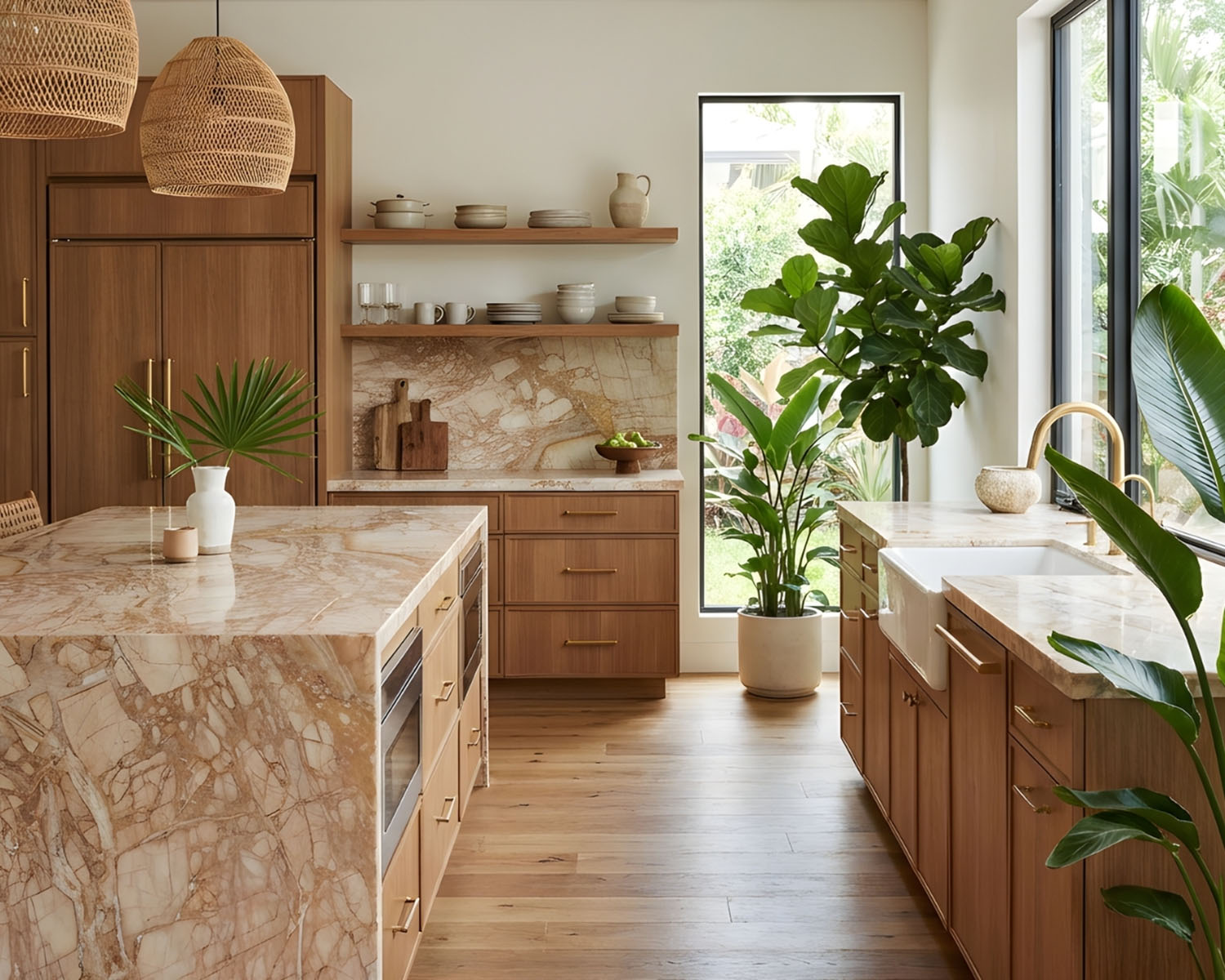
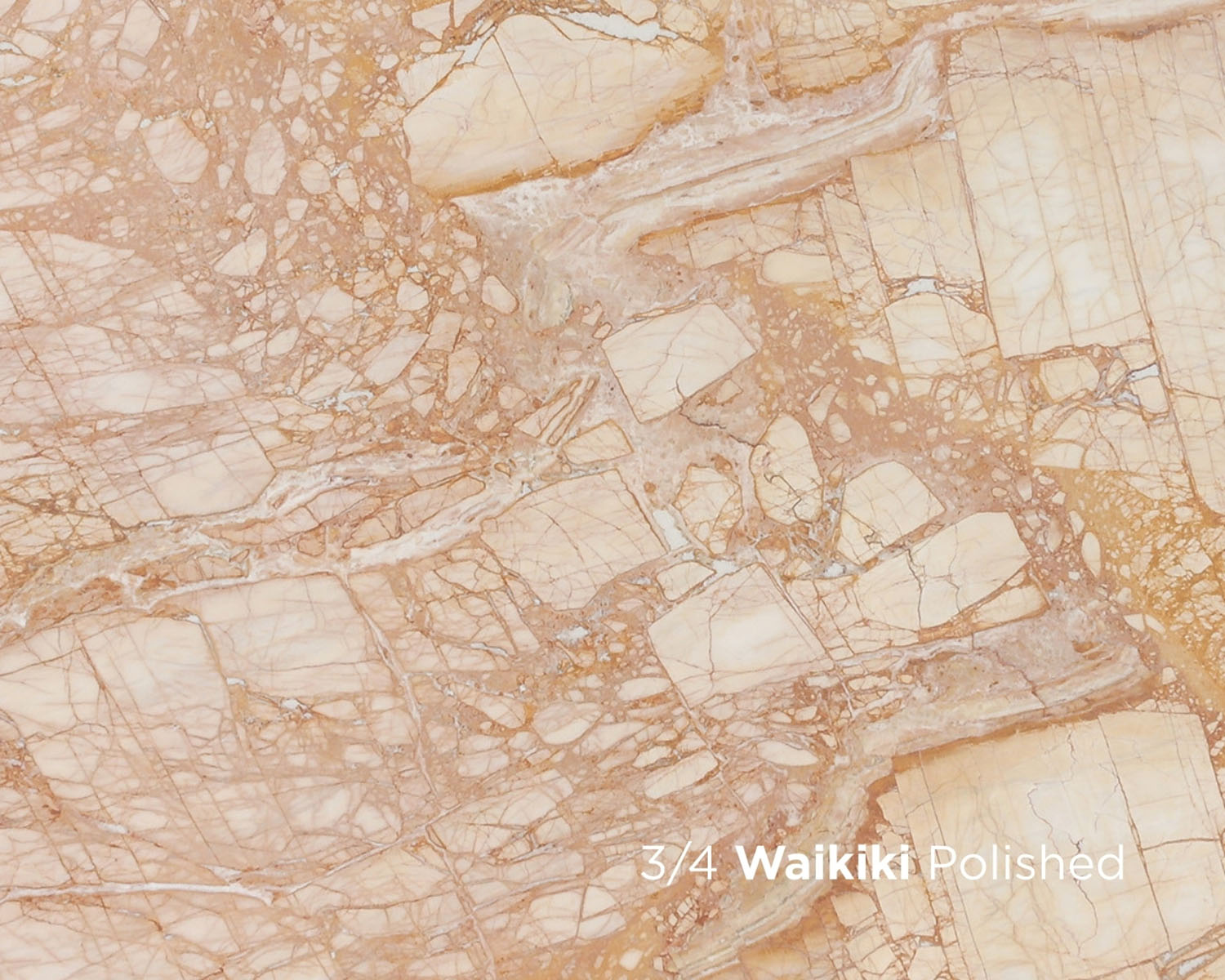
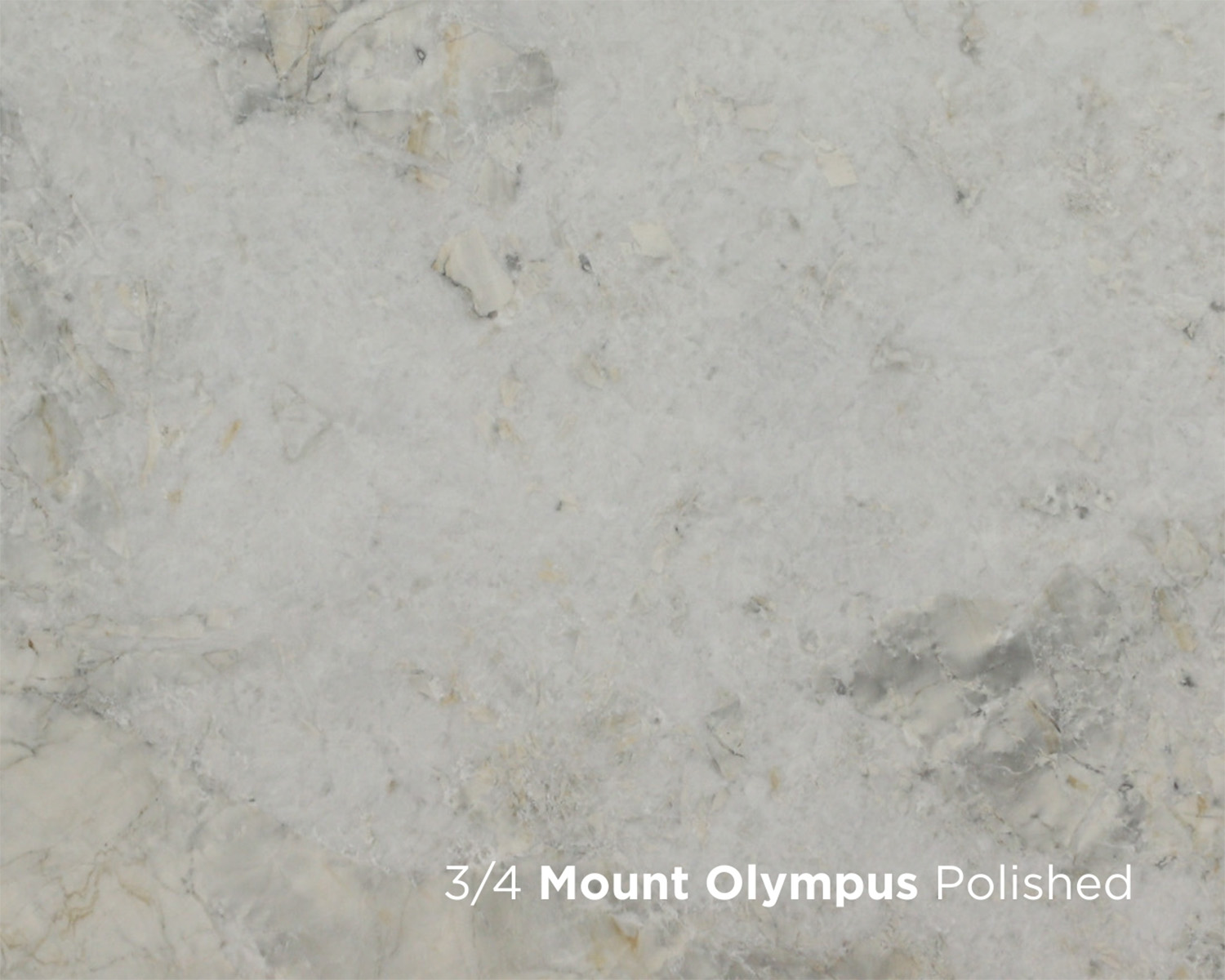
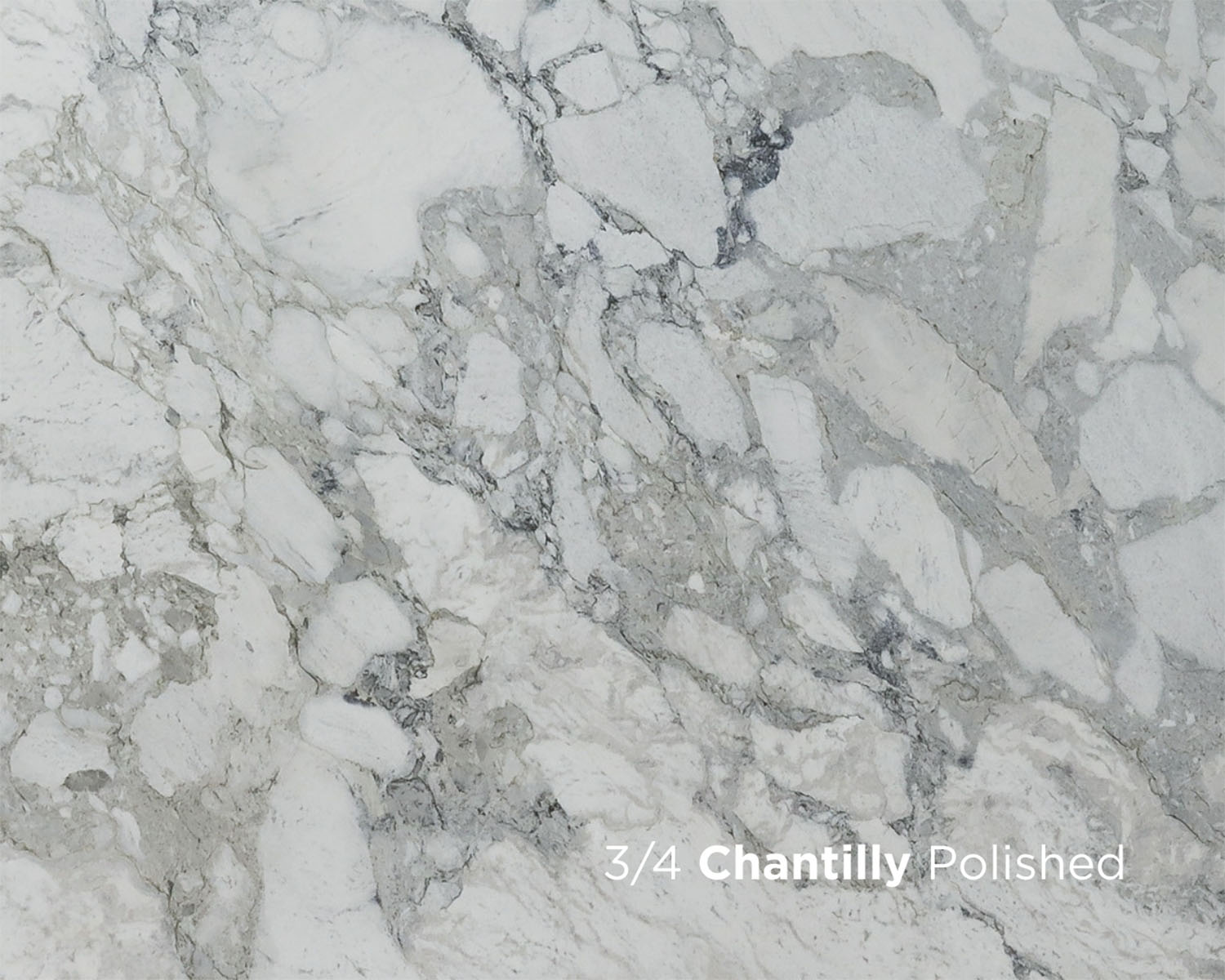
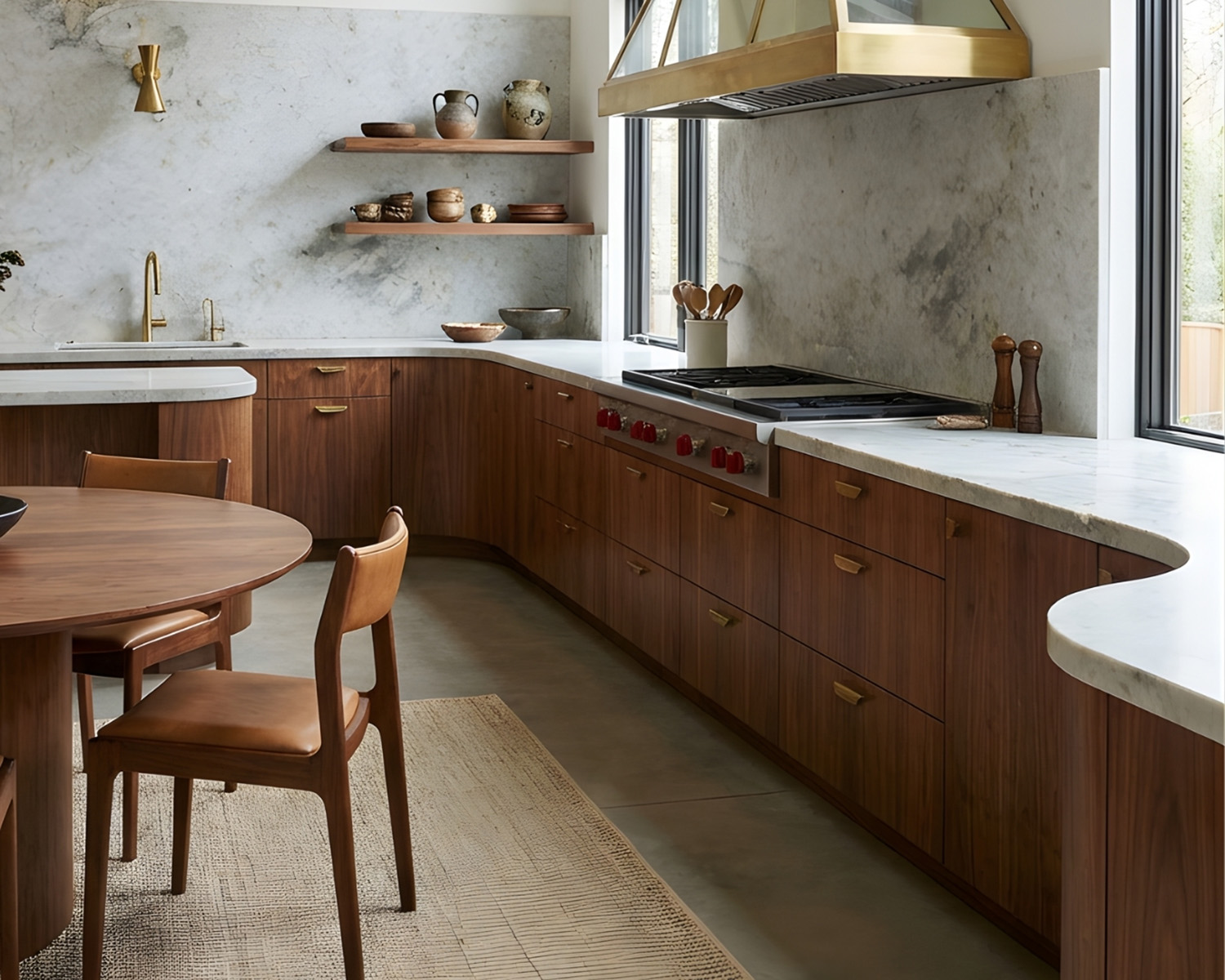
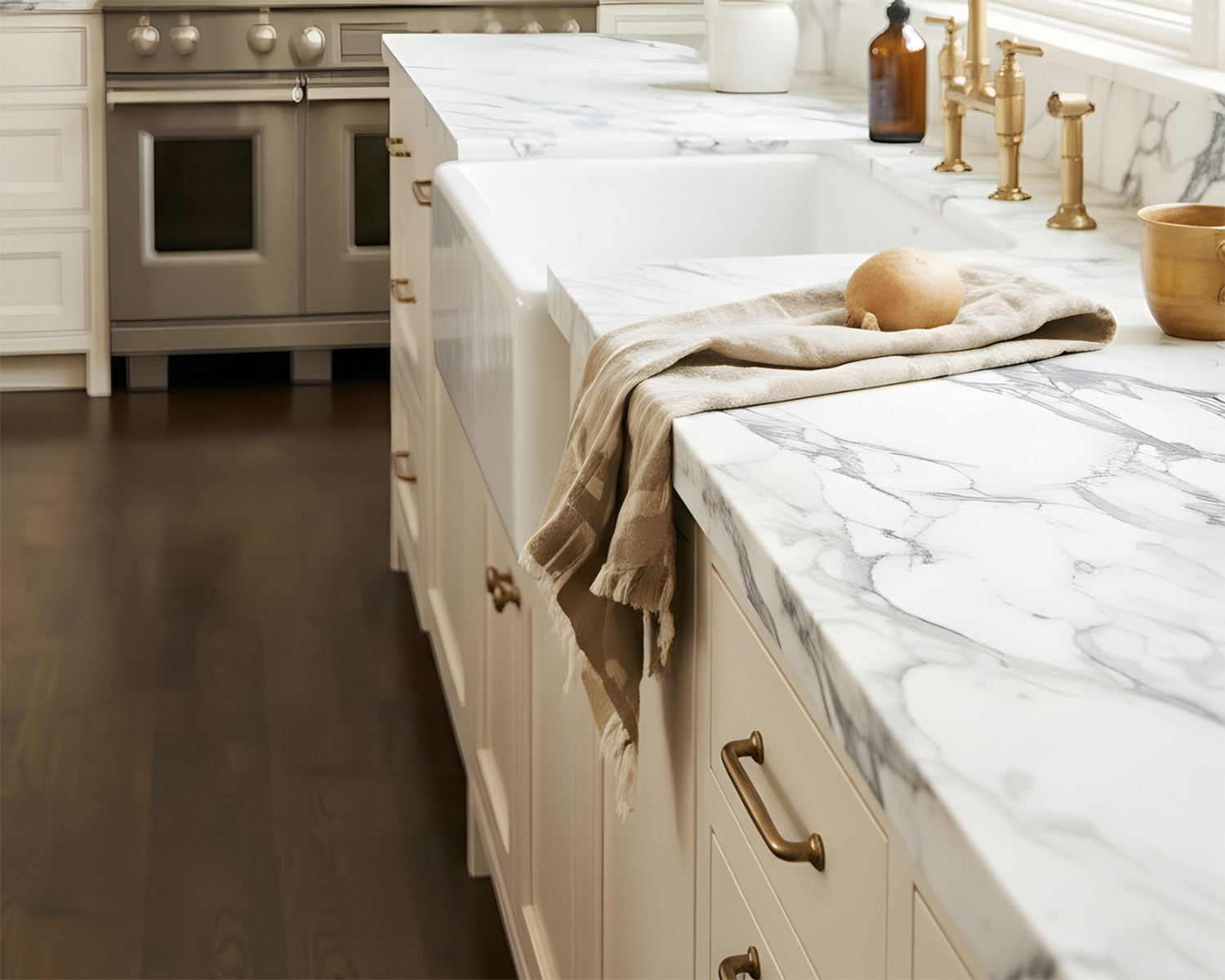
Dolomite is a calcareous stone, so acidic substances can still cause etching and it benefits from periodic sealing. The difference? Dolomite tends to stand up more gracefully to the rhythm of a real modern kitchen, giving you marble’s beauty with a little more peace of mind.
Care Tips
Keeping your countertops looking their best doesn’t have to be complicated. For everyday care, use neutral cleaners, dilute concentrated products, and avoid bleach, acids, or ammonia.
For heavier-duty cleaning, opt for a stone-specific cleaner or a gentle degreaser, and always follow the manufacturer’s instructions for your specific surface. Never leave liquids sitting on your countertops for too long—they can seep in over time. Finally, we always recommend to seal your natural stone countertops regularly, typically once or twice a year, to protect the surface and reduce constant upkeep.
Porcelain Alternatives
If you want to skip the upkeep and are looking for surfaces that offer more flexibility, opt for a porcelain collection. Porcelain is a lower-risk, lower-maintenance option without compromising a luxurious aesthetic. You still get the look of high design while benefiting from the ease and durability porcelain provides.
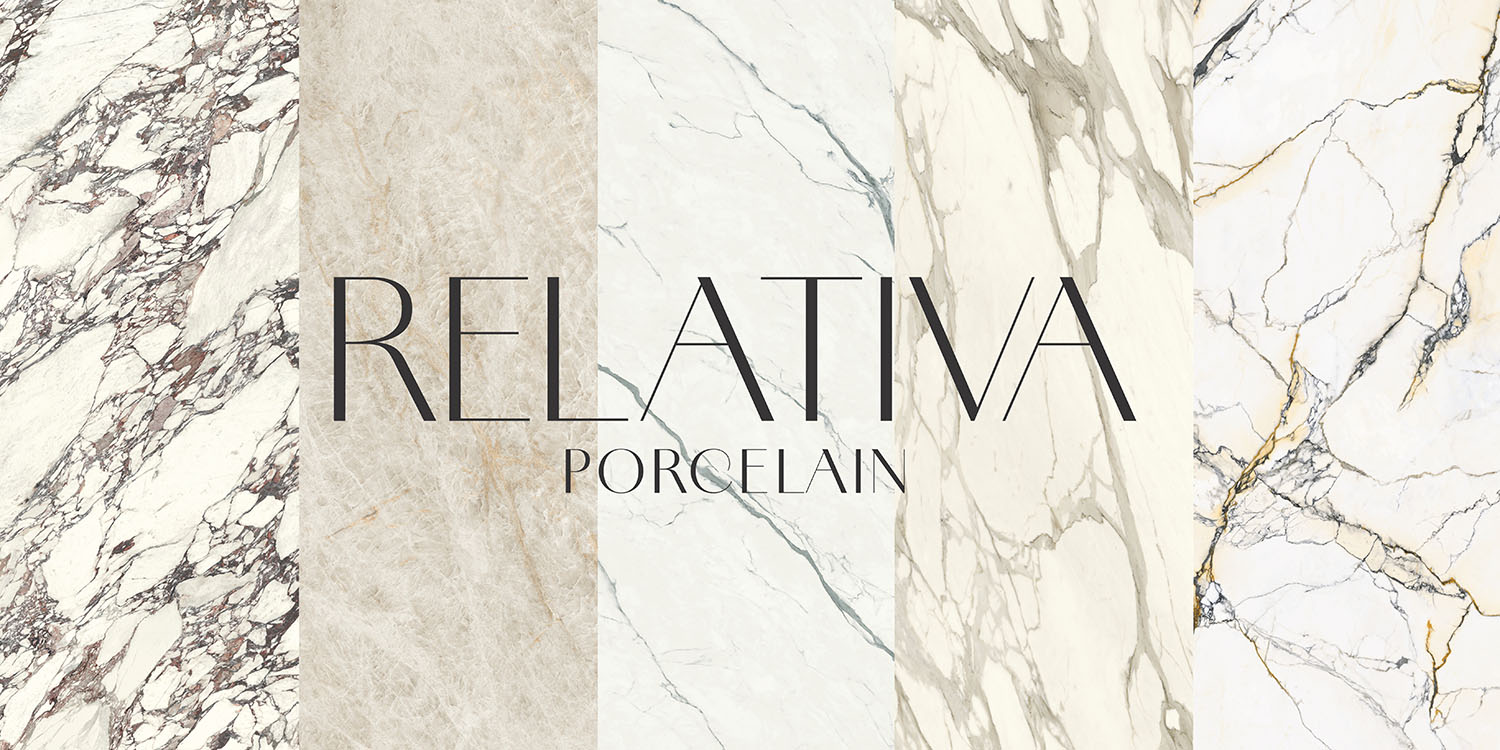
If you’d like to explore our porcelain collection, take a moment to check out Relativa. The look of natural stone is carefully translated into these incredibly beautiful porcelain slabs carefully curated by Opustone’s procurement team, keeping the look of natural stone in mind —versatile, durable, and perfect for any kitchen.
So, if you’re designing a kitchen, you now know where to go, which questions to ask, and which factors to take into consideration. Our team will always be ready to welcome you into our showrooms, guide you through our expansive natural stone collections, and help you make informed decisions that bring your vision to life—without stress or complications.